
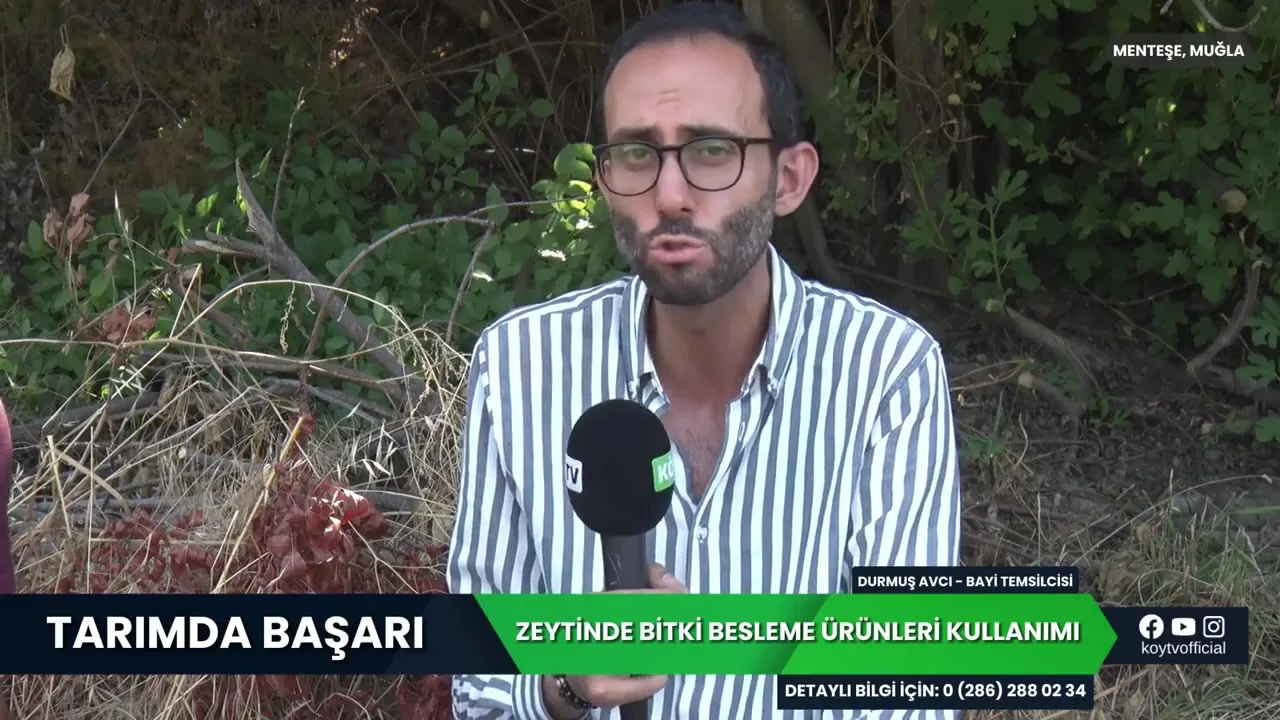
In this episode of the Success in Agriculture program, we are in Esençay, in the Menteşe district of Muğla. Together with AgroTroia's Muğla dealer, agricultural engineer Durmuş Avcı, and leading farmer Zafer Pekbak, we discussed nutrition, fertilization, and post-harvest applications in olives. The picture that emerged is clear: a correct olive nutrition program increases yield not year by year, but many times over.
From 22 kilos to over a ton: a success story in numbers
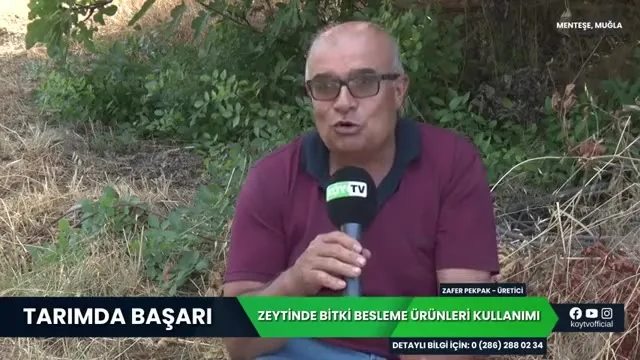
Zafer Pekbak has been growing olives since 2010. For years he relied on Bordeaux mixture applications and lived with the "on year - off year" fluctuation. After switching to the AgroTroia program, the picture changed: from an orchard that yielded only 22 kilograms of oil in one season before he discovered the program, correct nutrition produced 1 ton in an "off year" and 1,300 kilograms of olive oil in an "on year."
Why a 9-stage nutrition program?
AgroTroia's field team follows a 9-stage nutrition program in olives, applied according to the season throughout the year. When applications are left incomplete or squeezed into the summer months alone, the olives do not ripen early; macro and micro element imbalances in the soil, pH problems, and organic matter deficiencies remain unresolved. The logic of the program is built on starting today on the work for next season: the first application is made before harvest begins.
AgroTroia products featured in this episode
Copperas - a copper-based staple foliar product that supports plant defense; an alternative to Bordeaux mixture in the fight against peacock spot.
Activo - a strengthening product that helps the plant recover quickly after frost, hail, or leaf drop.
New Olive - specific to olives; supports fruit calibration, sizing, and increased oil content.
Fors - a phosphorus-potassium fertilizer that provides rapid calibration in orchards with irrigation.
Liquid S80 - cost-effective liquid sulfur; used under mite (red spider) pressure.
Fighting peacock spot and the cost of Bordeaux mixture
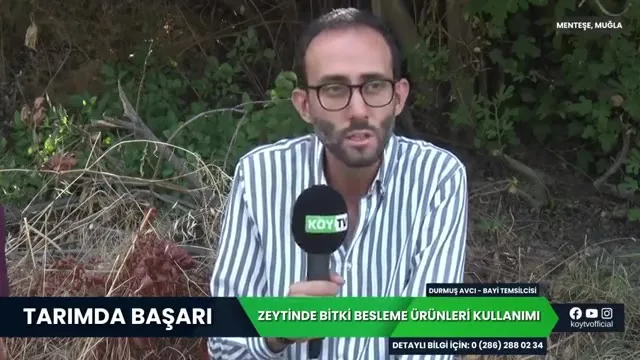
In regions with high humidity such as Muğla, peacock spot (eye spot) is the biggest problem for olives. The critical point emphasized in the program is to begin control in September-October, before harvest. When this is delayed, the tree actively struggles with the disease from September until May-June; it cannot put out shoots, cannot flower, and drops its leaves. It is explained that proceeding with products that increase plant resistance both lowers cost and pays off.
Application order and proper consulting
Another detail underlined in the episode is the mixing order: the order and proportions in which products go into the tank directly affect the result. For this reason, a personalized drip and foliar fertilization program based on soil analysis is planned holistically together with pruning, irrigation, and pest and disease control.
Source: AgroTroia - "Success in Agriculture" program, sponsored by AgroTroia.