
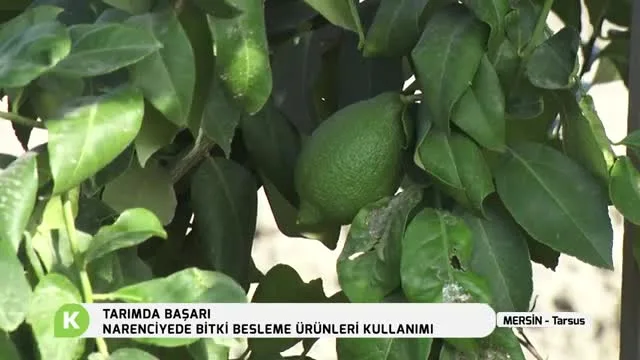
In this episode, the AgroTroia "Success in Agriculture" team gathered in the orchard of farmer Yalçın Yağır in the village of Alifakı, in the Tarsus district of Mersin. During the shoot, which was also attended by the Yağır family's sons Melih and Abdurrahman Yağır along with other growers from the village, Mr. Nuh and his agricultural engineer colleagues, on behalf of AgroTroia, explained the nutrition program for citrus and especially lemon. The region is a fertile area where, in addition to citrus, stone fruits, pomegranate, cotton, soybean and corn are grown together. However, because Tarsus lies in a lower-lying hollow compared to Mersin and Adana, early frosts are the biggest problem for these orchards; this is why the right nutrition program is of critical importance for the region.
The Effect of Frost and Cold Damage on Orchards in Tarsus
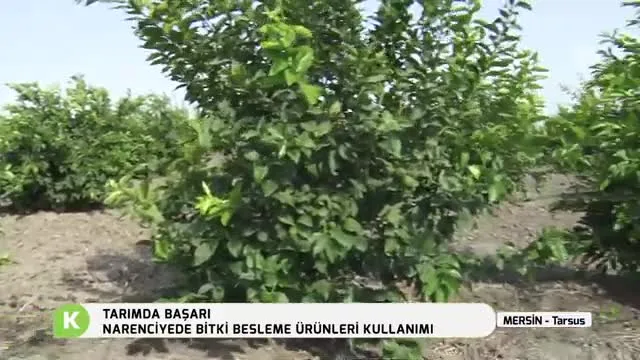
Due to the low-lying position of Tarsus, the early frosts seen during the flowering period cause serious losses every year in stone fruits and citrus. In lemon, cold damage first begins with slight bronzing and browning of the leaves; this is followed by injuries on the branches resembling razor cuts, partial leaf drying and the drying of flower crowns. The damage from a frost event is not limited to a single year; until the tree recovers, yield loss can be experienced for two years, which means a major loss for the farmer. Although the shoot mechanism appears to have remained short in this orchard, the rate of impact has been kept at a low level of about five percent.
A Nutrition Approach That Strengthens the Plant's Constitution
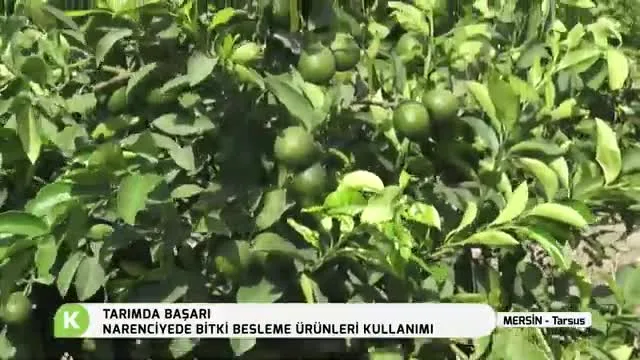
The basic logic here against cold damage is to secure the plant's constitution and condition in advance. In this orchard of about 30 decares, half a dose of Copperas was applied at a rate of 500 cc per 100 liters, in a total of three applications: just before and just after the frost. Because the plant's condition was secured beforehand, the seasonal cold problem was largely prevented. While cold damage was much more severe in the neighboring orchards, the impact was significantly reduced in this orchard where the correct nutrition was applied. Yalçın Yağır also reported that after getting to know AgroTroia products, the fruits grew larger and that he saw a clear difference in development and fullness in lemon, pomegranate and nectarine alike.
Disease and Pest Management in Lemon
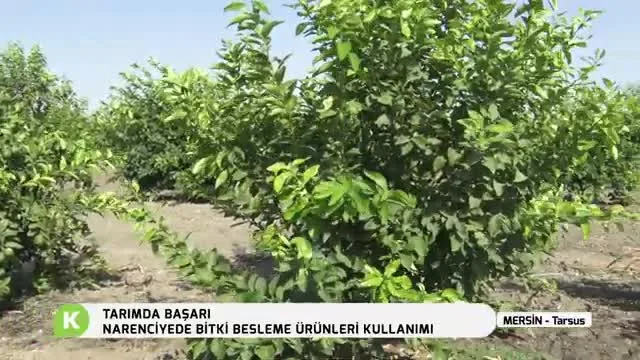
Among the diseases that stand out in the citrus group in this region are tip dieback (fungus-induced clogging of the vascular bundles), brown spot on the fruit and trunk gummosis, gray mold and twig blight. Due to rising air temperatures, sunburn can also be seen. In tip dieback, because the fungal agent clogs the plant's vascular bundles and stops the transport of water and nutrients, the branches dry from top to bottom. Against this, a mixture applied to the trunk, containing Activo and phosphoric acid, supports the opening of the vascular bundles and the plant's resistance to disease. Since the main routes of disease spread are pruning and pests, cleaning the pruning tools with bleach, removing pruning debris from the orchard, and timely control of pests such as moth, thrips, red spider mite and whitefly (empoasca) are of great importance.
The Meyer Variety, Pruning and Fertilization
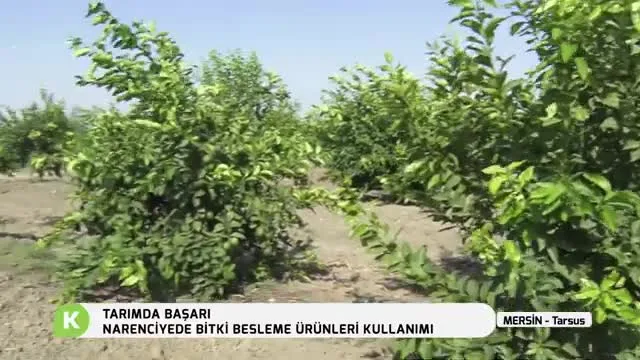
The majority of lemons grown in Turkey are produced along the Mersin, Muğla and Adana line; in recent years the Meyer variety, of Indian origin, has been added alongside local varieties such as lamas, interdonato, kütdiken and Aydın. Meyer stands out for its dwarf structure, resistance to diseases, high fruit set and relative resistance to cold, but it requires regular irrigation and care until it reaches physiological maturity. In orchard establishment, while local varieties are planted at wide spacing, Meyer can be planted more densely, such as 4x4 or 4x2. A drip system is recommended for irrigation; flood irrigation is a method that should be avoided because it increases soil-borne diseases such as root rot, gummosis and tip dieback. Setting air circulation well during pruning also facilitates pest control. Base fertilizer can be applied in mid-February; while phosphorus fertilizers support the şataf (summer) flowering, nitrogen fertilizers such as urea should be applied after fruit set has occurred and early frosts have ended. Excessive nitrogen applied in the early period significantly increases the likelihood of cold damage in low-lying regions.
Fruit Caliber and Yield Increase with Force
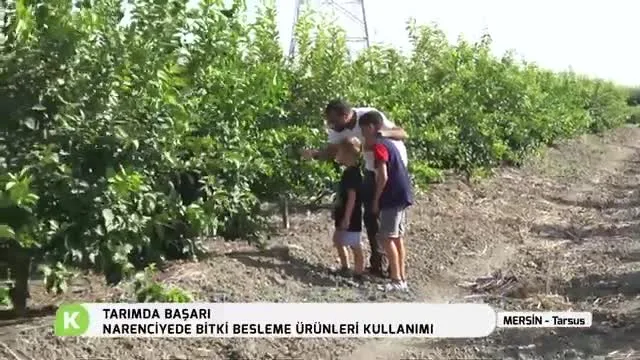
In the orchard, Fors (Force) was applied at a half-kilo dose and the result was clearly observed. Force increases the plant's water-use activity, and therefore the fruit caliber, by putting the plant under a controlled water stress; the same application is reported to give positive results in olive and cherry as well. Compared with the neighboring orchard affected by cold, in the nourished orchard the fruits reached a caliber that was both more abundant and about 1.5 times the size of an egg. In pomegranate and nectarine, a half dose of Copperas and an additional supplement were also used together with Force; the shoots emerged healthy and a strong start was secured for the next season.
In the region, the main problem is not yield but the market and price; lemon prices remaining below cost put growers in a difficult position. For this reason, the AgroTroia team's emphasis is on enabling the farmer to stay afloat by increasing the produce harvested per unit area: what cannot be earned from price must be earned from tonnage. Keeping the plant's condition solid with the right nutrition program is decisive both in reducing frost damage and in increasing caliber and yield. In regions with high frost risk such as Tarsus, a protective nutrition approach stands out as one of the safest investments for the coming seasons.
Source: AgroTroia – "Success in Agriculture" program, sponsored by AgroTroia.