
In this episode, the AgroTroia "Success in Agriculture" team was a guest in the Kravga (now known as Göksu Neighborhood) area of Köprübaşı, in the Mut district of Mersin. Host Cemil Bektaş, at Kemal Cılız's training orchard, came together with local farmers, AgroTroia board member Umut Dönmez, Mut dealer Yusuf Sarı, and agricultural engineer Nuh to discuss the olive nutrition program and the region's production potential.
The Importance of Olive Growing in Mut and Kravga
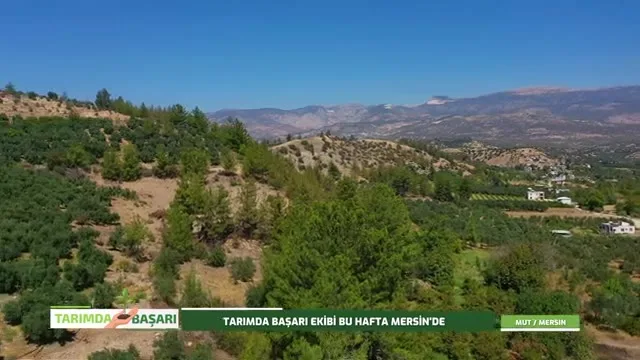
Mut is a district that stands out for its olive growing. According to what dealer Yusuf Sarı conveyed, there are more than 12 million olive trees in the district; in the Haydar Neighborhood there is a 1,316-year-old monumental olive tree, which shows that olive growing has continued in the region throughout history. Mut olive oil received the European Union geographical indication registration this year; it draws attention with its aroma, scent, and color. Its acidity dropping to as low as 0.1-0.2 degrees demonstrates the oil's quality; so much so that in many places Mut olive oil is added to blends to lower the acidity of other oils. This value of the region has been registered with the slogan "Health from olive, olive from Mut." In the conversation, local farmers such as growers Müslüm Taş, Ali Taş, and Hüseyin Kart shared their own experiences; it was also emphasized that the district is strong in plum and apricot production, and that Kravga is referred to as the "land of plums."
Microclimate Advantage and Low Need for Pesticides
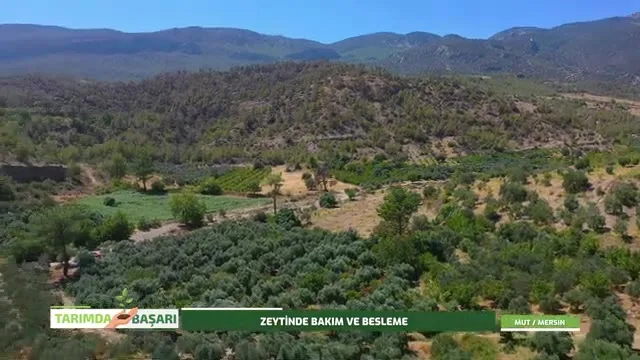
Agricultural engineer Nuh explained that Köprübaşı is a transition zone at a higher altitude than Mut, and that thanks to constant air circulation, humidity stays low. This microclimate reduces the risk of fungal disease development. While high humidity causes both fruit rot and drop due to fruit failing to hold onto the tree, the region's dry, cool air limits these problems. For this reason, farmers use insecticides very little or not at all; mostly fungicides and plant nutrition products are preferred. Low chemical use positively affects the olive's polyphenol value and oil quality. According to engineer Nuh, this cool transition climate is also an advantage for varieties with a high chilling requirement; the region, with its quality and taste, has now become a competitor to the classic olive areas along the Balıkesir-Çanakkale line. However, in recent years the climate slowly shifting to a Mediterranean character has led to diseases and pests not previously seen beginning to enter the region.
The Causes of Fruit Drop
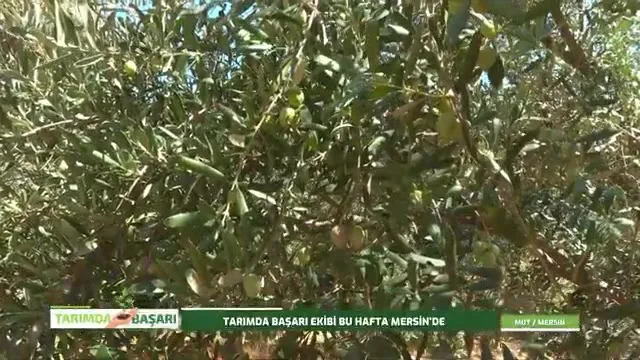
One of the most discussed problems in olive in recent years is fruit drop. Engineer Nuh stated that drop is not tied to a single cause; factors such as early maturation, sparse set, flower stalk borer damage, olive anthracnose, olive fruit fly, and olive moth play a role together. Drought and water stress aggravate the picture; soils not becoming saturated with water and irregular irrigation make it difficult for the tree to hold the fruit. In addition, applications made with only pure water in extreme heat can trigger stalk fungus and stalk rot due to the magnifying-lens effect of the sun. The fact that our water is generally calcareous also increases drop by causing spots and rot on the fruit skin.
Correct Nutrition and Copper-Based Application
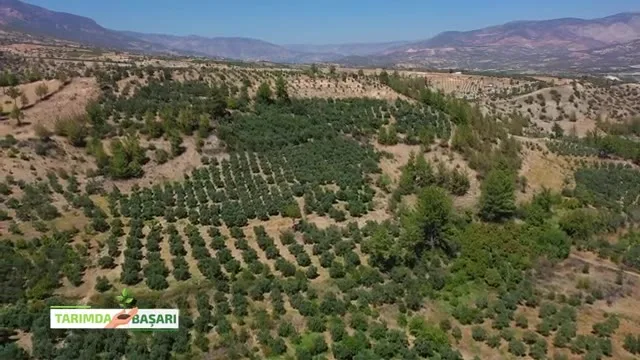
Grower Müslüm Taş explained that in the past they protected their trees with Bordeaux mixture but could not get sufficient shoots in spring; after switching to copper-based nutritional application, they observed that the trees worked in winter too and produced shoots. He said that today most of the village continues a similar application. Grower Hüseyin Kart also explained that he receives direct support from the dealer and engineer to raise quality, and that he follows correct nutrition so the tree "smiles." Engineer Nuh, for his part, emphasized the importance of sticking to the program: the dealer and grower applying the recommended products completely makes the trees respond better despite drought and cold stress. Indeed, even in orchards strained first by drought and then by cold, trees that stuck to the program were observed to produce shoots as if they were being regularly irrigated. It was noted that the "on-year, off-year" fluctuation that used to occur frequently has also decreased with this application. With AgroTroia's field support, orchards are regularly visited, inspected, and solutions to problems are produced together.
Farmers' Expectations and Field Support
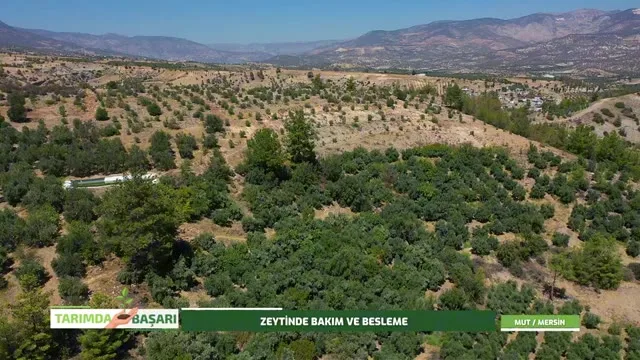
In the talk, growers expressed that they most value having a reliable contact and a company that stands behind its product. Kemal Cılız stated that when there is a problem, they can reach the company and a solution is produced. Among the region's main difficulties, water scarcity, drought, and lack of support stood out. The farmers also spoke of feed and hay costs, the need for cooperative organization, and price-setting problems. Umut Dönmez stated that AgroTroia will continue its approach of seeing the farmer on-site and being reachable via the 724 line; he said they would come to the region more frequently in the coming period.
Featured AgroTroia products in this episode
- Copperas — the copper-based application that local farmers have used for years, supporting the tree's activity in winter and shoot development in spring.
The example of Mut and Kravga shows how, when conscious nutrition and field monitoring are added alongside the right microclimate conditions, both quality and yield can be preserved in olive. As the pressure of drought and climate change increases, the importance of program-based nutrition and reliable technical support becomes even more evident.
Source: AgroTroia – "Success in Agriculture" program, sponsored by AgroTroia.