
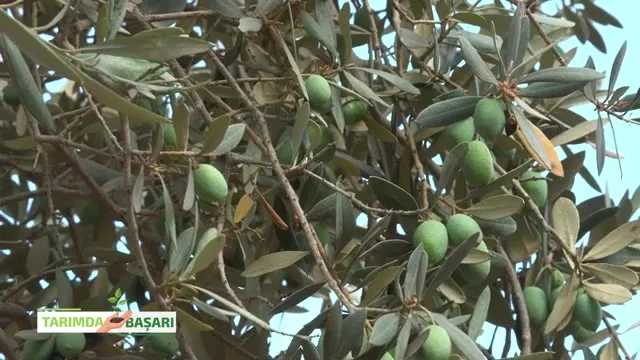
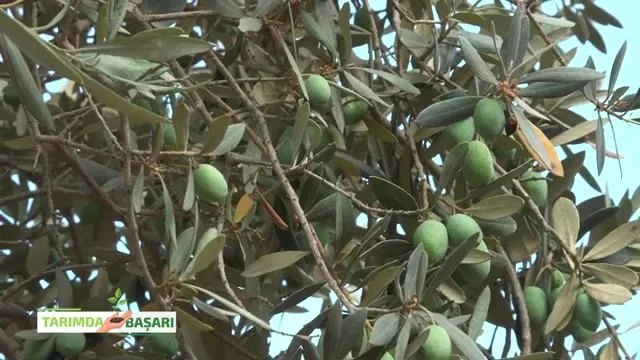
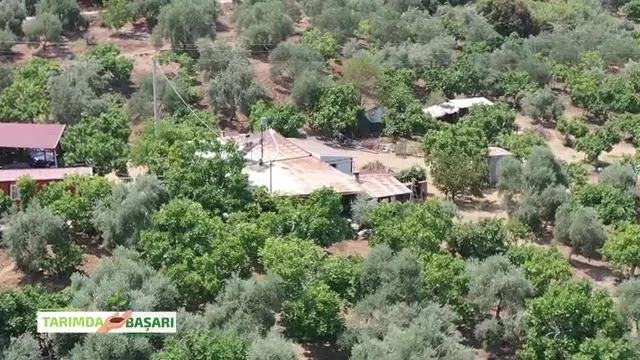
In this episode, the AgroTroia team visited the Bıçakçukuru locality in the town of Yeniköy in Kuşadası. In the olive orchard of retired air force sergeant major Murat Yılmaz, with whom AgroTroia has worked for years, we discussed how trees that yielded no crop for years were brought back to fruit. We convey from the field the steps applied within the framework of the olive nutrition program for the fundamental problems of olive growing, peacock spot disease, and changing climate conditions. AgroTroia board member Umut Dönmez, agricultural engineers Yusuf Özçelik and Simge İsen, and İzmir Kemalpaşa dealer Cihan Öztoğlu also took part in the broadcast.
From an orchard that yielded no crop for years to full branches
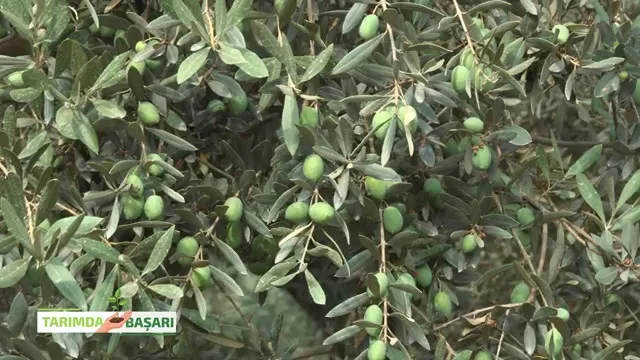
After retiring, Murat Yılmaz set out to do the work he had dreamed of: making cracked olives from the olives he grew himself. However, the orchard did not yield a single olive for years; the flowers would suddenly turn brown and drop during the set period, setting no fruit at all. When he could not get results despite all the expense, he consulted many experts. In the end, he contacted AgroTroia, and the company, inspecting the orchard on site, determined that the problem was largely caused by peacock spot disease. Yılmaz, applying the nutrition and care program given to him to the letter, recounted that the next season his trees set fruit so heavily that the branches would break, and that despite a hot northeasterly wind, no scorching or dropping occurred in the flowers. Since that first harvest, a collaboration approaching nine years has continued.
Combating peacock spot in olives
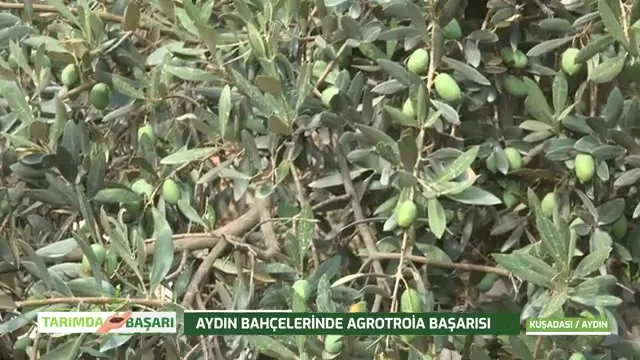
The region's biggest problem is peacock spot. Because the orchard is located within a humid valley that receives no air flow, it creates an extremely suitable environment for this fungal disease; its effect is especially high in the Memecik variety. Dealer Cihan Öztoğlu emphasized that one of the disease's natural enemies is cold weather, and that in recent years, when winters have been mild, the fight has become even harder. In control, Copperas applications come to the fore; together with this, the success rate is increased by the Fosforiko application added at a certain rate per ton. Engineer Yusuf Özçelik noted that in this challenging orchard, applications were made at regular intervals throughout the season, above normal; that the matter is not just nutrition but systematic monitoring.
Frost, drought, and on-year – off-year
The changing climate directly affects the course of olive production. The frost in April this year caused serious damage to agricultural production across the country. It was conveyed that the olive tree can normally withstand lower temperatures, but that in trees where water has begun to flow, even a few degrees of frost causes great damage. Murat Yılmaz too recounted that in past years his labor was wiped out in one night by a hailstorm lasting more than an hour, and in another season the trees were left almost leafless due to peacock spot. In the on-year – off-year debate, the difference of regular care is clear: instead of years when no crop is obtained at all, a reasonable yield can be achieved even in a lean year.
Planned nutrition and free field consultancy
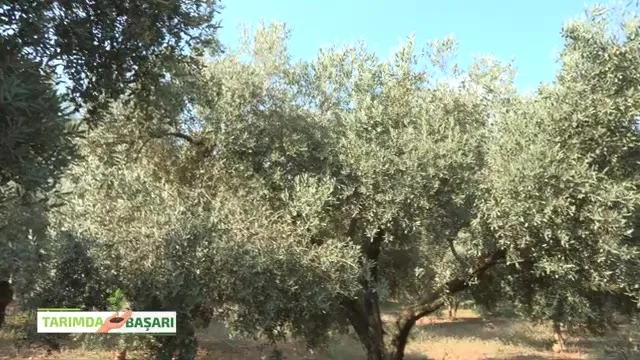
The most important point the program highlighted is the on-site technical support provided alongside the products. The team goes to the orchard without distinguishing between a producer with one tree and one with thousands, identifies the problem on site, and intervenes. Engineer Simge İsen said that the products have proven themselves over many years, and that the same farmers continuing to use them for years in different regions is the strongest reference. In Murat Yılmaz's orchard this year, a new application program trialed in the neighboring Kemalpaşa Vişneli village was put into effect, and all of the trees filled with fruit. The result, in this period where there is no margin for error, once again showed the value of planned production and correct consultancy.
AgroTroia products featured in the episode
- Copperas – the fundamental product applied in the fight against peacock spot.
This orchard in Kuşadası proves that, despite challenging climate and disease pressure, success in olives is possible with correct care, patience, and constant monitoring. Not giving up on production and moving forward with a team that listens to your troubles and goes out to the field is also the key to breaking the on-year – off-year cycle.
Source: AgroTroia – "Success in Agriculture" program, sponsored by AgroTroia.