
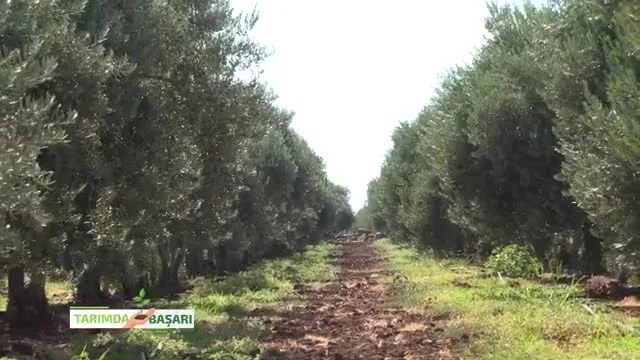
In this episode, AgroTroia's "Success in Agriculture" program was a guest in an olive orchard on the Mercidabık Plain, in the Yavuzlu township of Kilis. In the broadcast filmed with AgroTroia sponsorship, olive care in Kilis and the olive nutrition program were addressed from start to finish, together with the company's board member Umut Bölmez, agricultural engineers, and the region's olive growers. From water shortages to disease management, from pruning to correct fertilization, the region's success story was brought to the screen.
The Place of Olives in Kilis and the Mercidabık Plain
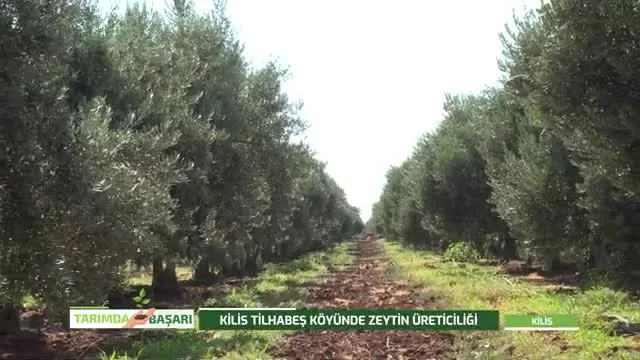
The Mercidabık Plain and the Kilis surroundings stand out as one of Turkey's leading olive regions. According to information conveyed in the broadcast, the number of olive trees grown in Kilis has approached 4 million in recent years, and this figure is well above some neighboring production areas at the district scale. In the region, alongside column varieties such as Gemlik and Spanish Dwarf, the local Kilis oil olive also retains its cultural and agricultural importance. It was explained that the Spanish Dwarf, according to some sources, was developed starting from the Kilis oil variety, reducing the on-year–off-year imbalance and disease pressure. The region's farmers' awareness of tree spacing, crowning, and air circulation places Kilis among the top in Turkey in olive growing.
Fighting Diseases and Pests in Olives
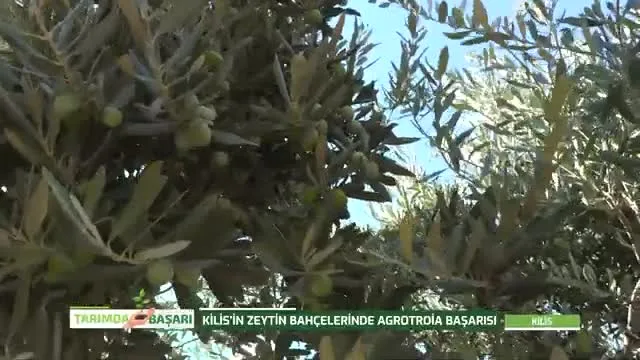
According to agricultural engineer Cemal, the biggest disease in olives is peacock spot, known among the public as "bird's eye." This disease causes heavy leaf drop and peaks above 18 degrees. The most critical point here is to strengthen the plant's resistance in advance rather than trying to fight after the disease has arrived. Regularly repeating copper-based applications until the bud period increases the plant's resistance to the disease. On the pest side, the cottony scale damages the fruit buds with its sucking and forms sooty mold; the olive moth, in turn, causes damage in three separate periods—on the leaf, the flower, and the fruit. The flower stalk borer causes drops when no application is made during the flowering period. To prevent the spread of olive knot and verticillium wilt, it is recommended to disinfect pruning tools and not to damage the root zone. For red spider mite, which causes deformities especially in table olives, applications that benefit from sulfur's repellent property came up.
The Role of Healthy Nutrition in Disease Resistance
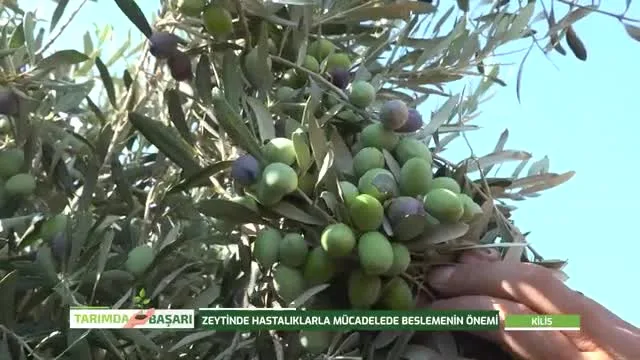
Agricultural engineer Simge Hanım emphasized the decisive role of nutrition in fighting disease. Plant nutrition is not a medicine; but when the plant is fed strongly and in a balanced way, its immunity against problems such as peacock spot, verticillium wilt, and olive knot rises. The key concept here is continuity: not one-off but periodic applications strengthen the plant's resistance permanently. This process requires a holistic care understanding extending from sapling planting to the end of harvest. One of the most common mistakes made in nutrition is excessive and unconscious phosphorus use in the base fertilizer and applying nitrogen earlier than the season. A tree woken early becomes more open to disease. Considering that the plant can take up only a small portion of phosphorus, unnecessary phosphorus use means wasted cost.
A Nutrition Program Based on Soil and Leaf Analysis
The advice most often given to growers in the broadcast was to definitely have a soil and leaf analysis done before starting fertilization. Rote applications made without analysis lead to loss of both money and labor. If there is sufficient phosphorus in the soil, rather than reapplying it, it is possible to bring the existing phosphorus into a form the plant can take up with organic-acid-containing products. The AgroTroia team stated that, according to the analysis results, they aim to draw up a nutrition program specific to each orchard that does not needlessly inflate cost. With the understanding of "let the stone we throw hit the bird we mean to scare," using the right fertilizer at the right time and in the right amount was highlighted as the foundation of success.
Pruning, Irrigation, and the Grower's Realities
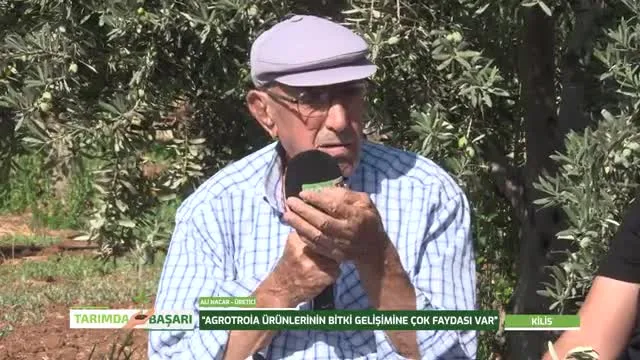
Engineer Nuh explained that success in olives rests on three legs: pruning makes up roughly one-third of the work, fertilization one-third, and irrigation one-third. When these three are managed, success becomes inevitable. Reminding that the water pump in olives works from the topmost point down to the root collar, Nuh said that protecting the trees' upper branches is important both for air circulation and for reducing the risk of cottony scale, red spider mite, and the olive moth. The Kilis region's mastery of pruning, tree spacing, and crowning was praised. On the other hand, growers expressed that water is the biggest trouble: Mustafa Nacar explained that he experienced water shortage in his orchard of roughly 1,500 trees, which he tends alone, and that he doubled the irrigation lines. Grower Alen Acar, 88 years old, underscored input costs and drought. Despite low prices, thanks to correct care and nutrition, the fruit grew larger and product quality increased, which in turn made selling easier—this was the growers' shared view.
Featured AgroTroia products in this episode
- Copperas – for copper-based protective applications repeated until the bud period against peacock spot.
- Liquid S80 – a solution that benefits from sulfur's repellent property in managing red spider mite (acari).
- Aminado – an amino-acid-containing support that helps bring the existing phosphorus in the soil into a form the plant can take up.
This broadcast in Kilis Yavuzlu showed once again that success in olives depends not on a single product but on the whole of correct timing, periodic nutrition, analysis-based fertilization, and careful pruning. The final reminder given to growers was not to neglect orchards before winter with little left until harvest. With wishes for bountiful and blessed harvests.
Source: AgroTroia – "Success in Agriculture" program, sponsored by AgroTroia.