
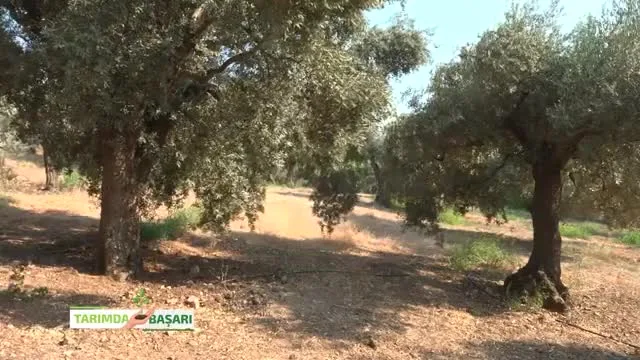
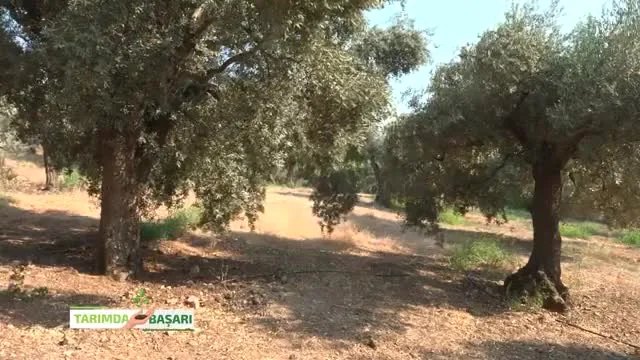
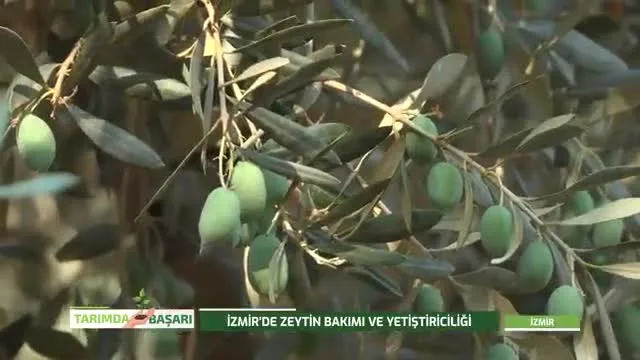
In this episode, the AgroTroia "Success in Agriculture" team was in the village of Vişneli in İzmir, at an olive orchard applying AgroTroia's olive nutrition program. Vişneli is one of the places where the company's origin story was written; many products were tested here, and a large part of the R&D work on olives and cherries was carried out on this land. In this orchard, which has produced full, quality crops four years in a row while olives are almost nonexistent in the surrounding orchards, AgroTroia board member Umut Dönmez, orchard owner farmer Cihan Öztoğlu, Hasan Öztoğlu who personally works the orchard, farmer Kaner Altan, agricultural technician Recai İnci, and agricultural engineers Simge İsen and Yusuf explained the effect of care and nutrition on yield in olives.
A success spread over years in Vişneli
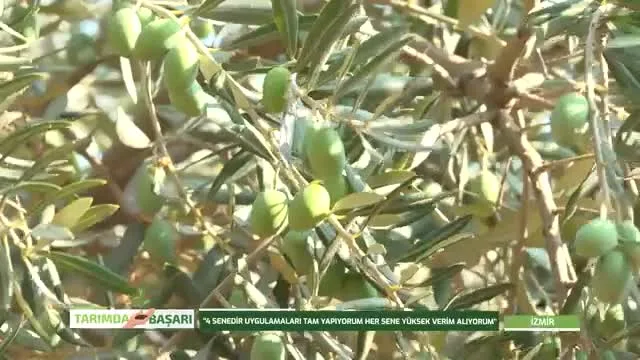
The first emphasis that stood out in the program was that success was spread not over a single season but over years. While it is possible to get a good harvest from a crop in a single year, this orchard has shown a continuous yield exceeding ten years. Vişneli is especially valuable for AgroTroia because it is one of the orchards where nearly all products were first tested and R&D work on olives and cherries was carried out. Orchard owner Cihan Öztoğlu said that it is not enough to merely tell visitors about a product; it must definitely be shown on site, because anything not seen remains only as an idea in the farmer's mind. The easiest comparison is made with the neighboring orchard: in the previous year's "off" season, when olives were scarce across Turkey, this orchard still produced a crop—even if below what it should have been—while it was hard to find a single olive in the surrounding orchards. Öztoğlu explained that the orchard has been at this level of consistency for four years, and that things really fell into place especially after the peacock spot problem was solved.
The importance of peacock spot and regular nutrition
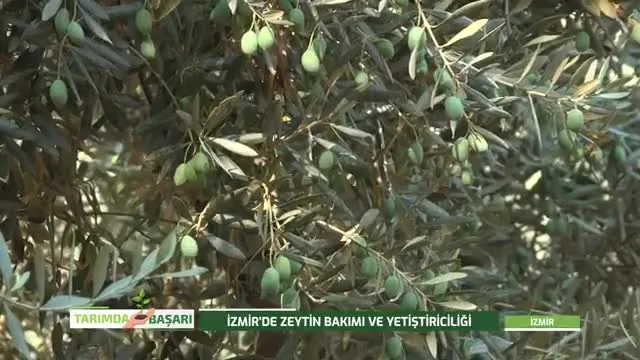
At the foundation of the orchard's success lies regular and periodic nutrition. Peacock spot, one of the most troublesome problems in olives, can cause leaf drop right during full flowering; once a tree drops its leaves, its flowers are left exposed, and when the sun scorches them, the season is largely lost. The key is to keep the leaves on the tree during that critical period. Hasan Öztoğlu, who has worked the orchard for years, and farmer Kaner Altan shared that, even in unirrigated parcels, they achieved strong performance with Copperas and regular nutritional support. Kaner Altan explained that their acquaintance with AgroTroia began four years ago, again with the fight against peacock spot; at first, out of cost concerns, they did not apply all of the recommendations, but later realized how much the result changed when full care was applied. Agricultural engineer Simge İsen, for her part, emphasized that nutrition is not a one-time procedure, that each product in the program is prepared for a specific purpose and period; just as a person cannot regain health with a single meal, in trees too the program must be applied continuously to see the effect.
Cultural control: pruning waste and shear disinfection
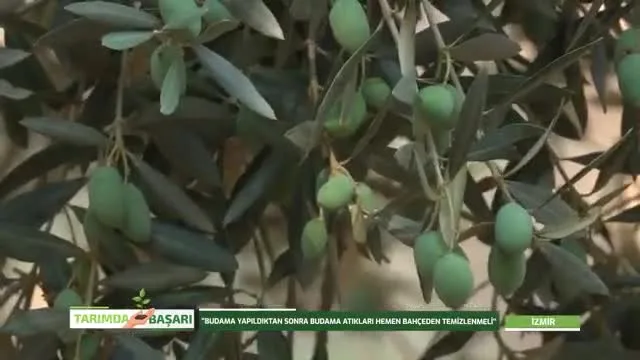
Simge İsen explained that a productive harvest in olives is possible not only through nutrition and crop protection, but also through cultural measures. After pruning is done, pruning waste must be removed from the orchard as soon as possible, because these residues are one of the biggest sources of contamination for olive diseases. As long as the waste remains in the orchard, disease is unknowingly carried from one place to another. Likewise, pruning tools must be well disinfected: when one tree is pruned and you move directly to the next, you carry pathogens from a diseased branch to a healthy tree. Bacterial olive knot in particular spreads very easily this way. Although producers find this laborious, disinfecting the shears with bleach is a far easier and more effective measure than dealing with a disease once it appears. İsen noted that even in seasons called "off" years, fruit can still be obtained from a well-tended orchard; thanks to the nutrition applied the previous year and the new shoots formed, the effect of these years can be reduced.
Combating frost damage and heat stress
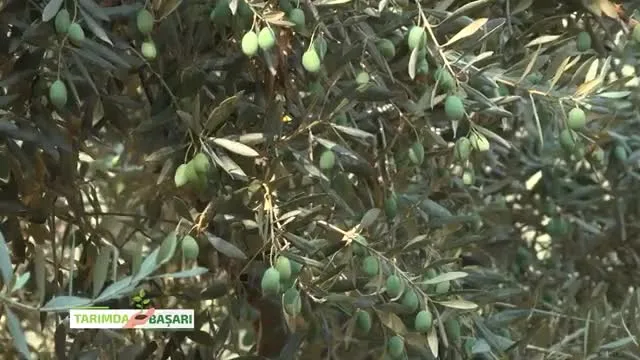
Agricultural engineer Yusuf explained that the frost event in April, which spread across the country and affected a wide area, was one of the main reasons for this year's low yield. Many crops were affected, from hazelnuts in the Black Sea region to apples and cherries in the interior; olives were one of the crops most affected by this damage. During orchard visits, traces of frost damage were found even in olives that had set well. Yusuf noted that in the past a severe frost reaching -18 degrees on the Bursa İznik-Mudanya side caused splitting in tree trunks, and that recovery from such severe damage can extend to two or three years; this year's damage, however, was more directed at the crop. Even in years when the crop is low, irrigation and foliar nutrition must be continued to prepare the tree for the following year; otherwise, no crop can be obtained the next season either. Excessive heat during summer, meanwhile, can affect the fruit buds and lead to problems such as twin fruit the following year. Against heat and cold stress, the amino acid source Aminado and the seaweed-based New Olive in the nutrition program are included in every application; Vital and kaolin-based products can also be used to combat heat stress.
GTS inspection against counterfeit fertilizer and standing by the producer
Umut Dönmez said that in a period of increasing economic pressure on fertilizer, counterfeit and imitation products have also multiplied, and that AgroTroia has occasionally been a victim of this. Considering the fact that a product is being imitated to be a sign of success, Dönmez explained that imitations can never replace the real thing; farmers who are dissatisfied return to the company again after a season or two. It was noted that, with the GTS QR code system implemented by the state, farmers can scan the QR code on the product they buy and see on what date, at which factory, and by which company the product was produced; however, the vast majority of products are not checked. It was stated that it is almost impossible for those who shop directly from the factory or from authorized dealers to face such a risk. Agricultural technician Recai İnci, for his part, explained that care must not be abandoned even in an "off" year; that prices rise in low-yield years, so increasing yield through care protects the farmer's earnings. He also conveyed his wishes for a speedy recovery to producers affected by the forest fires and drew attention to the fact that well-tended orchards can stay green even in the midst of disasters such as fires.
AgroTroia products featured in the episode
- Copperas – the fundamental product for regular and periodic protection against olive diseases, primarily peacock spot.
- Aminado – the amino acid source included in every application against heat and cold stress.
- New Olive – a seaweed-based support product applied foliarly in the nutrition program.
This orchard in İzmir Vişneli concretely demonstrated how regular nutrition, timely control of peacock spot, correct cultural measures, and conscious management against frost-heat stress make a difference in olives, despite the unfavorable picture in the surroundings and challenging climate conditions. With consistent care spread over four years, both this year's crop and next year's yield are secured. May God grant all our producers blessed and abundant harvests.
Source: AgroTroia – "Success in Agriculture" program, sponsored by AgroTroia.