
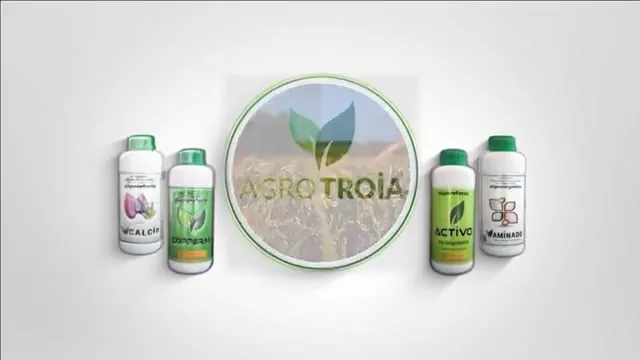

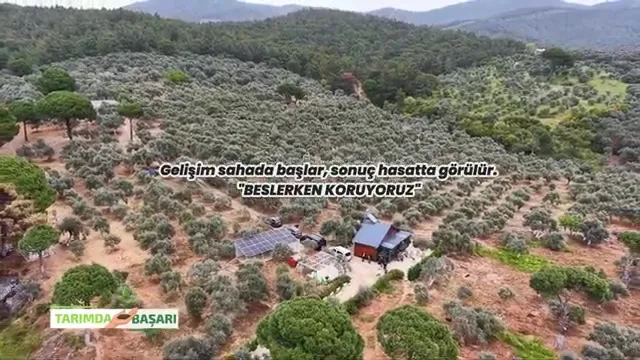
In this episode of the AgroTroia "Success in Agriculture" program, the AgroTroia team visits the village of Dağ Tekke in the Torbalı district of İzmir. In farmer Süleyman Kösemen's olive grove, agricultural engineer Akın, İzmir regional dealer Cihan Öztoğlu, and AgroTroia board member Umut Dönmez inspect the condition of the trees on site and provide practical information about the nutrition program in olives. The episode explains how this grove, which has used AgroTroia products regularly for about seven or eight years, reached this point through foliar nutrition despite its poor soil structure.
The latest situation in the olive grove in Torbalı
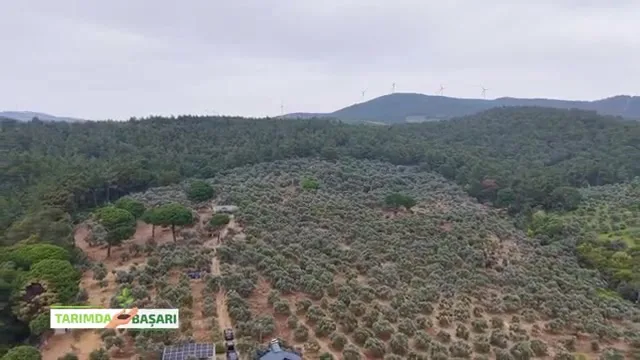
When the team enters the grove, they emphasize that the trees look lush green and vibrant, with leaves that appear newly emerged. Agricultural engineer Akın notes that the shoots from last season are strong and that the buds have begun to emerge and form their chain links. This stage is described as the "infant period" for the olive; that is, a very delicate phase requiring attention and intervention. The fact that the land where the grove is located is not lowland but high ground, that there is rock beneath the soil, and that the soil structure is weak, shows that the result was largely achieved through foliar nutrition. The engineer predicts that this season the trees could yield at least one, perhaps even two times the normal amount.
Copper application against peacock spot
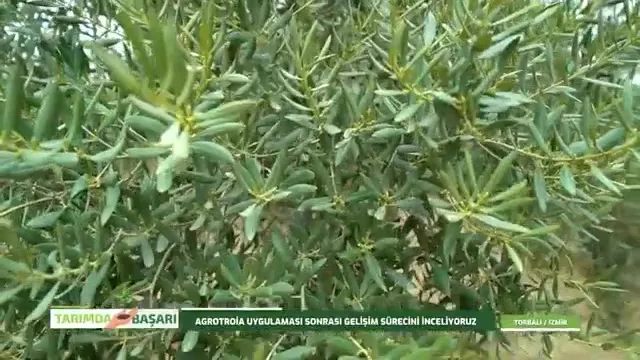
The region has recently received heavy rainfall, and the humid air has created an environment that invites peacock spot. Engineer Akın explains that after rainy weather, at temperatures above 18 degrees, the risk of peacock spot increases significantly. To prevent this disease, he says an application of Copperas, a copper-based product, will be made. Grove owner Süleyman Kösemen also states that years ago they had a serious peacock spot problem in the trees, and that after they began using the copper-based product regularly, they largely left this problem behind. It is emphasized that especially in low-lying groves with no wind, located in streambeds or hollows, regular phosphorus applications at thirty-day intervals reduce disease pressure.
Featured AgroTroia products in this episode
- Copperas — A copper-based application that helps prevent the formation of fungal diseases such as peacock spot.
Bud-period nutrition: calcium, seaweed, and sulfur
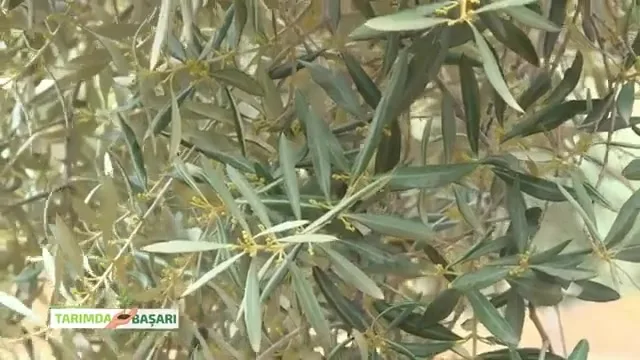
The purpose of the nutrition applied during the bud period is to increase flower set. Engineer Akın explains that, by the nature of the olive, only a small portion of the flowers turn into fruit, and that their goal is to raise this set rate. Calcium, by joining the cell wall, strengthens the bud, thickens the flower stalk, and prevents bud and flower drop; it also contributes to protein synthesis and the formation of a healthy flower tube. Liquid seaweed, thanks to the natural hormones it contains, supports more uniform bud break and better flower set. Liquid sulfur, meanwhile, adds resistance to the tree coming out of winter conditions while helping to limit fungal diseases and red spider mite (mite) damage.
Featured AgroTroia products in this episode
- Calcio — A calcium application that reduces bud and flower drop and strengthens the cell wall.
- Liquid S80 — Liquid sulfur that adds resistance to the tree and supports it against fungal diseases and mite damage.
Correct irrigation and the layout of the drip line
An important issue engineer Akın identified in the field is that the drip lines are too close to the tree trunk. Constantly delivering water to the base of the trunk weakens the trunk's resistance and lowers its resilience against root and fungal diseases. His recommendation is to move the drip line beneath the canopy drip projection, about one meter or more away from the trunk; this way the capillary roots grow forward instead of curling back, and water and nutrient uptake reach the highest level. Regional dealer Cihan Öztoğlu, meanwhile, draws attention to unconscious irrigation: he reminds that Turkey is among countries experiencing water scarcity, and that over-irrigation both depletes groundwater and causes stress and rot in the plant because the root cannot get air. Süleyman Kösemen also reports that he could not get the yield he wanted from flood and sprinkler systems, and that after switching to drip irrigation he saw noticeable improvement in both the trees and the soil.
Pruning, flower set, and the on-year/off-year problem
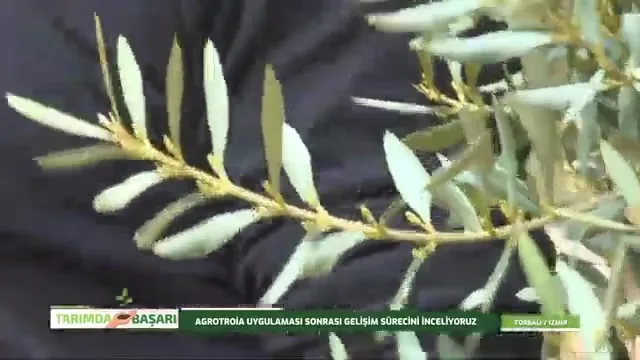
Branches that grow vertically on the trunk, popularly called "water sprouts," consume the tree's nutrients, energy, and water; moreover, when they grow excessively long they block sunlight and create the ground for fungal infection in humid weather. It is recommended that these shoots be cleaned out. To strengthen flower set, boron and zinc are added to the application made at the five-percent flowering stage; while boron stands out as a fundamental element of fertilization, zinc supports shoot formation and prevents deficiency symptoms such as rosetting and stunting. The engineer notes that in producers who apply regularly throughout the season, the on-year/off-year imbalance commonly seen in olives does not occur. The Memecik olive in the grove shows the yield characteristic of the Aegean region when well cared for.
Featured AgroTroia products in this episode
- Copperas — A copper-based application that reduces peacock spot pressure during humid and rainy periods.
- Calcio — Calcium support that limits drop loss by thickening the flower stalk.
This visit in Torbalı demonstrates how regular and timely foliar nutrition provides stable yield in olives even in poor soil. Süleyman Kösemen's experience and the team's field observations show that taking every step on time, from fighting peacock spot to correct irrigation, from bud nutrition to pruning, is reflected in the harvest.
Source: AgroTroia – "Success in Agriculture" program, sponsored by AgroTroia.