
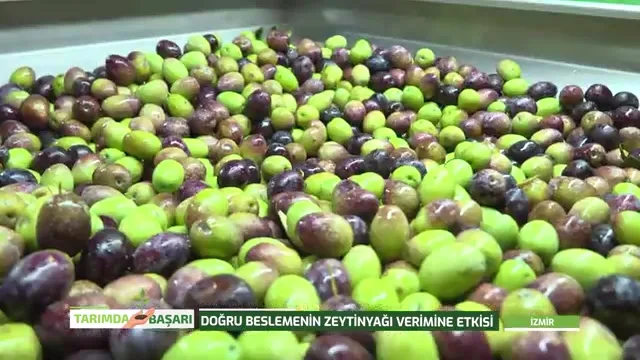
In this episode, the AgroTroia "Success in Agriculture" team gathered at the oil production workshop of farmer Kaner Bey, in whose orchard in İzmir's Torbalı district we had previously filmed olive nutrition. AgroTroia board member Umut Dönmez and agricultural engineer Yusuf joined the program; engineer Cihan, who has long supported Kaner Bey in the field, also explained the process. This time the topic was not just growing olives: Kaner Bey freshly presses and bottles the olives he gathers with a boutique system machine, turning labor that begins with the olive nutrition program into added value. We saw the solution to the "3 lira in the field, 30 lira on the table" equation right here, in the grower turning his own product into value.
From Field to Bottle: Value-Added Production
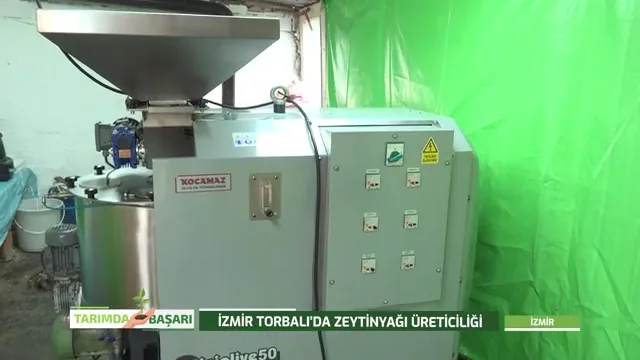
The essence of what Kaner Bey does is running the entire process—from the formation of the fruit on the tree to harvest, from pressing to bottling—single-handedly, under his own control. While there is a risk of other oils mixing in or quality loss when pressed at an outside factory, here the naturalness of the oil is guaranteed from start to finish. Umut Dönmez emphasized that the grower turning what he grows into value is a role model: this approach, valid for many products, especially when combined with cooperative organization, enables the grower to bring the product in his hands to the price it deserves. Kaner Bey reported that they were conducting talks with municipal support to establish an olive growers' cooperative in Torbalı, and that they hoped to finalize this toward the coming season.
Nutrition in Olives: "We Protect While We Feed"
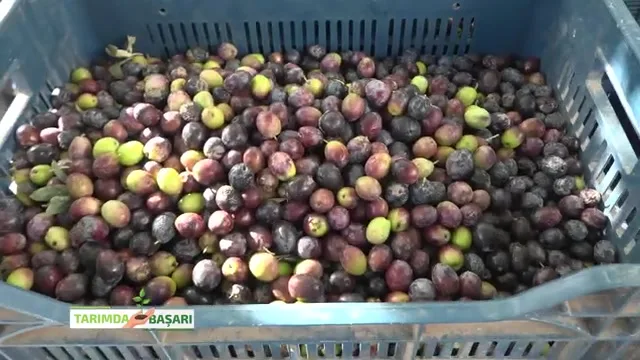
AgroTroia's approach in the field, as a plant nutrition company, is built on raising the tree's resistance. The logic Umut Dönmez explained with the analogy "We are dietitians, not doctors" is this: a well-fed and highly resistant tree is less likely to catch disease, and this becomes the first step of disease prevention. The company's slogan comes from here: "We protect while we feed." Nutrition alone is not enough, of course; environmental factors such as pests coming from the neighboring orchard are always present. Kaner Bey explained that each year varies according to season, temperature, and weather conditions; that every detail, from irrigation in extreme heat to interim nutrition, matters; and that they identify the shortcomings during Cihan's orchard visits and prepare for the following year.
Correct Guidance in Protection and Pests
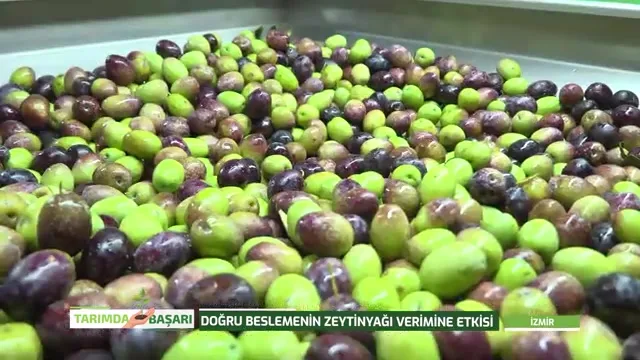
Although AgroTroia is a nutrition company, it also guides the farmer on plant protection when needed. Umut Dönmez stated that the work does not end with nutrition; that pests are solved with plant protection products (PPP). What matters is to focus not on the brand but on the active ingredient: for example, by recommending a pesticide with a suitable active ingredient against the olive fruit fly, the farmer is enabled to use the right product. The logic is simple; if a well-fed tree is struck by a pest, the farmer's labor and money go to waste. For this reason, despite being a nutrition company, consulting is provided to protect the crop. Umut Dönmez also said that among the many fertilizer companies in the market, they grew from scratch over 11 years with products that are imitated yet do the job; and that wrong product use creates an unfair perception such as "foliar feeding doesn't work."
Harvest Methods and the Importance of Early Harvest
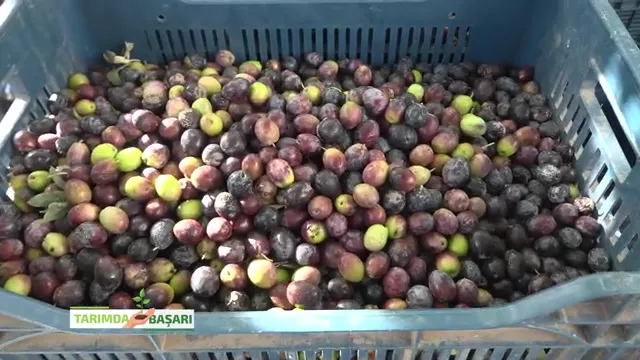
Kaner Bey explained that they switched from the old pole-beating harvest to the mechanized method; and that this year he also bought a branch shaker for table-olive production. In table olives, not damaging the fruit is critical. Yusuf stated that when working for oil, and especially at early harvest, it becomes harder to drop the olive from the branch, so the harvest machine used should be chosen in a way that does not batter the tree and the fruit. The correct choice between rake-type and shaker machines is important for both tree health and oil quality. Kaner Bey shared that the boutique machine he uses has a processing capacity of 50 kilos per hour, that with his 45 years of experience he can extract up to 450-500 kilos of oil per day, and that he plans the harvest according to this capacity.
How to Recognize Good Olive Oil
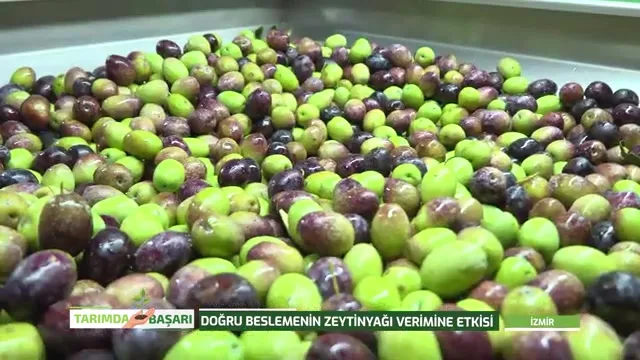
Yusuf listed the signs of quality olive oil: the burning sensation felt in the throat is actually a positive feature related to the oil's acidity. An oil that is slightly cloudy because it is freshly produced, dark-green in color, and satisfyingly thick is a sign of early harvest and cold pressing; it is also rich in nutritional value. The most common mistake after harvest is keeping the olives in sacks or in the open for a week to ten days; this raises the acidity and lowers the oil's quality. The advice is clear: after the olives are harvested, they should be taken to pressing as soon as possible. Low-acid (extra virgin) oils command a higher price in wholesale, while acidic oils find buyers at a lower price. On the AgroTroia side, prescriptions are prepared so as to leave no residue until the harvest period, not to soften the fruit, and to increase the oil ratio.
Featured AgroTroia products in this episode
- Olive nutrition program: a nutrition plan that forms the basis of the "protect while feeding" approach by raising the tree's resistance, updated according to the season and orchard condition.
- Nutrition for the harvest period: applications focused on increasing the oil ratio without softening the fruit or leaving residue.
- Plant protection guidance: recommending products with the right active ingredient against pests such as the olive fruit fly.
This episode in Torbalı showed that success in olives comes not only from good cultivation but from a chain built together by correct nutrition, timely protection, careful harvest, and value-added marketing. Kaner Bey producing his own oil and bringing it to those who love it is a strong example of the grower being able to receive the reward of his labor. As Umut Dönmez said, everything begins with dreaming; the first step on the road reaching to a brand, even to the shelves, is the grower owning his own product.
Source: AgroTroia – "Success in Agriculture" program, sponsored by AgroTroia.