
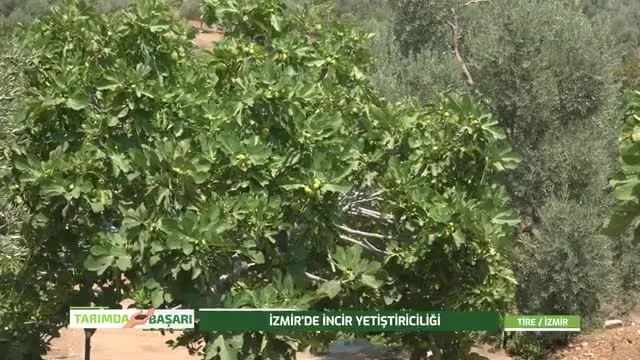
In this episode, AgroTroia's "Success in Agriculture" program visited a fig orchard in the Tire district of İzmir, which also falls within the region of AgroTroia dealer Cihan Öztoğlu. In the roughly 30-acre olive-fig orchard of retired religious official and producer Galip Karakaş, the technical details of fig production were discussed with the participation of AgroTroia board member Umut Dönmez and agricultural engineers Yusuf Özçelik and Simge. In this article, we have compiled the topics raised in the orchard, from the Sarı Zeybek variety to caprifig pollination, from foliar nutrition to pest control.
Sarı Zeybek figs in İzmir Tire and an exemplary orchard
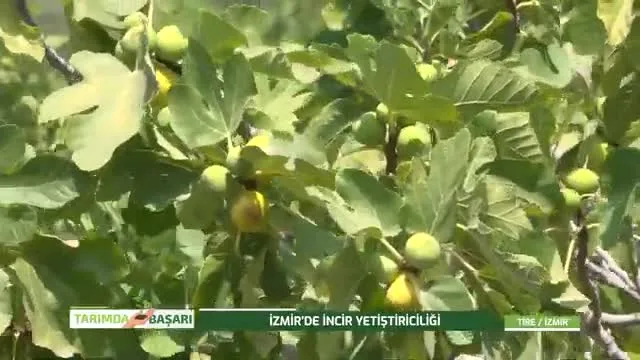
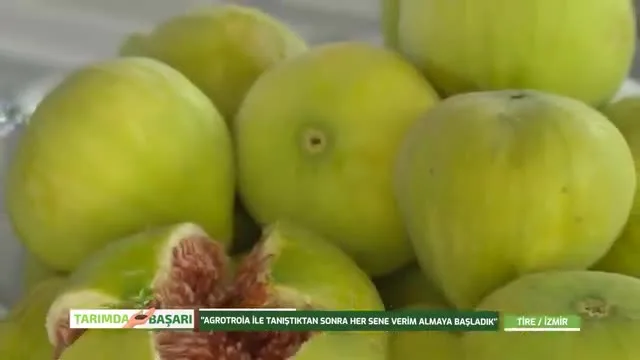
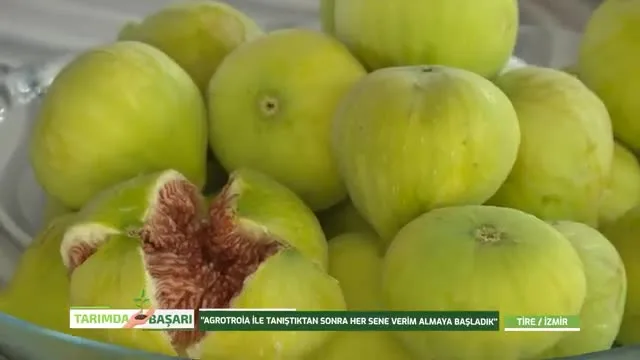
The orchard's variety is Sarı Zeybek instead of the Sarı Lop common in the region. Galip Karakaş explains that under the conditions of his own village, Sarı Lop does not provide the desired quality, with the fruit either running or drying out. For this reason, he preferred the Sarı Zeybek he saw in his relatives' orchards and, by grafting the existing trees, gradually converted them to this variety; by converting about a hundred trees in one season, he managed the transition without completely stopping production. The fact that Sarı Zeybek is relatively more resistant to drought and water shortage also stands out as an important advantage for the region.
The orchard also serves as an R&D trial area for AgroTroia. Yusuf Özçelik notes that here, specifically for figs, they have been trialing for two seasons a product different from classic potassiums and used at a low dose, with positive results; this work could turn into a fig-specific product in the future. Another feature of the orchard is that it is never plowed: a management model is followed in which tillage is not done and base fertilizer is not used.
Caprifig (ilek) and pollination: the biggest problem of the season
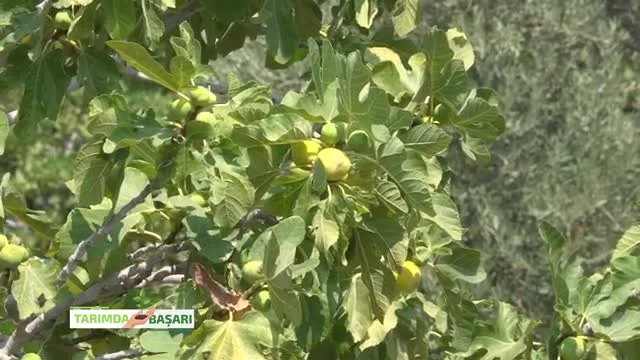
This year there was serious fruit drop in figs in the region; in some orchards the drop reached half, even two-thirds. Cihan Öztoğlu attributes the main reason for this to the caprifig (ilek) and pollination problem. In addition to the extraordinary rise in caprifig prices during the season, the strong wind that lasted for days during the caprification period was decisive. The pollinating wasp that emerges from inside the caprifig fruit could not reach the figs on the tree to pollinate them because of the strong wind; when the wasps that could not hold on moved away from the orchard, pollination did not occur and the drop increased.
The reason the drop remained low in Galip Karakaş's orchard, however, is constant monitoring. The producer explains that he walks the orchard several times a day and intervenes immediately by hanging additional caprifigs on the part where he sees drop, and that this way he saves a significant portion of the crop. The orchard's location being sheltered from the wind also had a positive effect. Among the assessments raised in the orchard was that fig prices could rise this season because the fruit is generally scarce.
Foliar nutrition program in figs
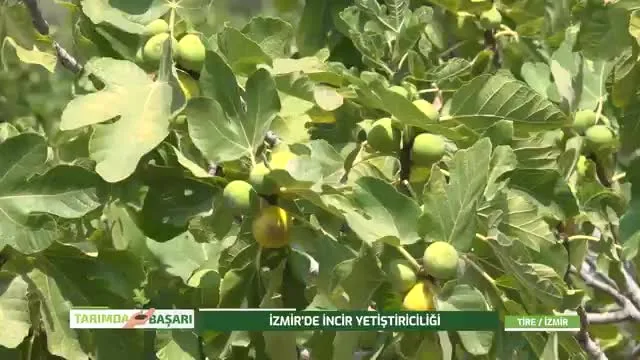
According to Yusuf Özçelik, the fig is a species whose care is relatively easy compared to many fruit groups and whose water requirement is lower; in rainy years it can even tolerate dry farming. Nevertheless, fruit quality is largely shaped by foliar nutrition. The nutrition program prepared specifically for figs consists of six applications; this is a less intensive calendar than olives, which can go up to nine or ten applications per year.
In the development period after caprification, it is important to balance the fruit with potassium and calcium products. For the thin skin, quality size, and plumpness sought in figs, giving potassium alone is not sufficient; it must be balanced with calcium. For this reason, the program includes, in addition to potassium applications, an application in which calcium and potassium are given together. In AgroTroia's nutrition program for figs, calcium products such as Calcio are used to establish this balance.
The main pests of figs and their control
In recent years, pest pressure in figs has increased markedly. Yusuf Özçelik conveys that in the orchards they recently toured with regional dealer Mehmet Bey, they observed that the fig black fly had begun to cause serious damage; they recommended that the orchard owners control it with licensed pesticides. The fig hopper, frequently seen in figs, and the red spider mite, which can cause serious damage when it occurs, are also among the pests that must be controlled.
Against these pests, regular inspection and timely intervention are decisive. Control carried out with licensed plant protection products, when integrated with the foliar nutrition program, both reduces crop loss and preserves fruit quality. Walking the orchard several times a day stands out as the most practical method that allows such pests to be noticed early and brought under control.
Post-harvest care and trunk application
In the period close to harvest, applications are generally stopped one to one and a half months in advance; because the fig is a sensitive fruit and late-period applications can cause staining on the skin. The truly critical period, however, is after harvest. Yusuf Özçelik emphasizes that an application must definitely be made after harvest for next year's fruit buds: the first application made with copper application, phosphorus, and Combi prepares the right condition for next season's yield. For the copper requirement, Copperas is one of the products that stands out in this program.
A trial done from the trunk was also mentioned in the orchard. It was stated that in trees whose trunks were half dried out, in work done with Activo and Fosforiko application, the trees revived. Producers who do not neglect post-harvest care, who carry out pest control regularly, and who apply balanced foliar nutrition can obtain more productive and higher-quality figs with fewer inputs.
AgroTroia products featured in the episode
- Copperas – for post-harvest copper application
- Combi – in the post-harvest phosphorus-supported first application
- Calcio – for the potassium-calcium balance in fruit quality
- Activo – in the trunk application trial
This orchard in İzmir Tire shows how a consistent success spread over nine years is possible in figs when correct variety selection, unplowed soil management, constant monitoring, and balanced foliar nutrition come together. At every stage from caprig pollination to pest control and post-harvest care, AgroTroia's fig-specific nutrition program guides the producer toward the goal of high yield with low inputs.
Source: AgroTroia – "Success in Agriculture" program, sponsored by AgroTroia.