
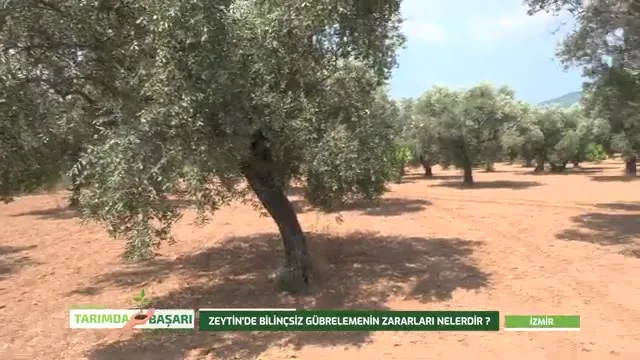
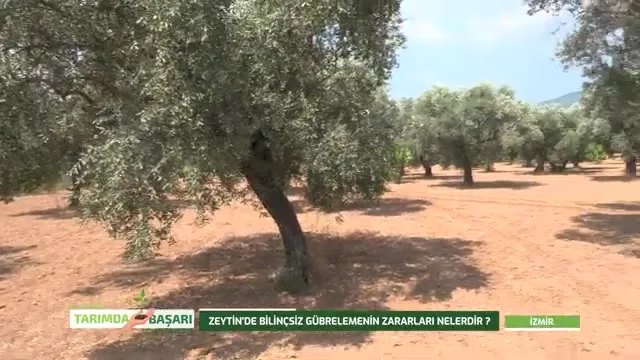
In this episode, the AgroTroia "Success in Agriculture" team met at a full olive orchard approaching harvest in the Dereköy locality of İzmir. In the interview, held in a shaded spot under the summer heat, Umut Dönmez from the AgroTroia board, agricultural engineers, and farmers came together to explain the olive nutrition program, care, and the work to be done before and after harvest in olives. In the program, which also touched on how climate change challenges agricultural production, it was shown with field examples how correct applications eliminate the on-year off-year problem.
A productive orchard being prepared for harvest in Dereköy
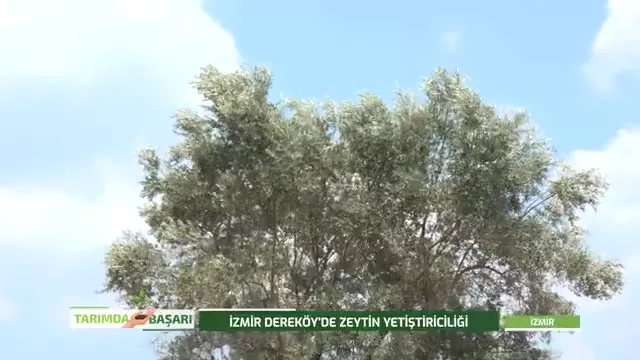
Farmer Kaner Altan, who came from Torbalı, explained that he solved the peacock spot problem that began about 45 years ago with the guidance of AgroTroia experts, and that he has been very pleased with the results he has obtained since then. Drawing attention to the importance not just of listening to recommendations but of applying them in full, he said that for the last four or five years his orchard has been consistently in good condition, and that the off-year has almost disappeared. Kaner Altan, who also turned to table olive production this year, emphasized that he believes sharing the benefit with the producers around him will make everyone a winner. The common message that stood out in the program was that seeing the tree live in the orchard and speaking according to the tree gives a much more correct result than desk-based recommendations.
The practical way to apply liquid fertilizer homogeneously
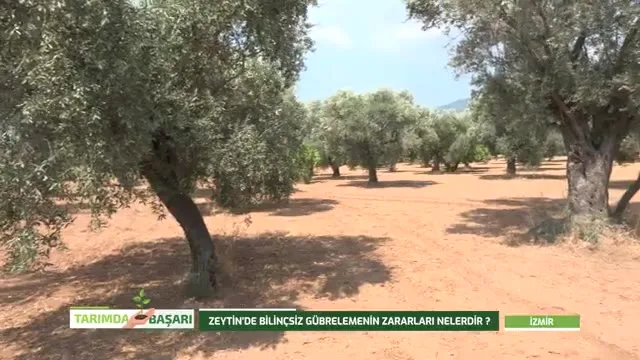
Expert Cihan explained that one of the most common mistakes encountered in the field is fertilization done with small-volume tanks. On a large area, with fertilizer given via a 100-200 kilo tank, the tank empties before the water reaches the other end of the parcel, so nutrition is not homogeneous. As a solution, it is recommended to attach large plastic tanks of 400 kilos up to 2 tons to the tractor and, while the tractor runs slowly at idle, apply it evenly over the entire parcel in one to one and a half hours. Farmer Kaner Altan shared that, using the field sprayer he already had, he applied his liquid fertilizer to the drip system with this method without any extra expense, and that he expected to see the result within a few days. This application both ensures that the fertilizer reaches the tree better and does not require expensive additional equipment.
Copper application against peacock spot and olive knot
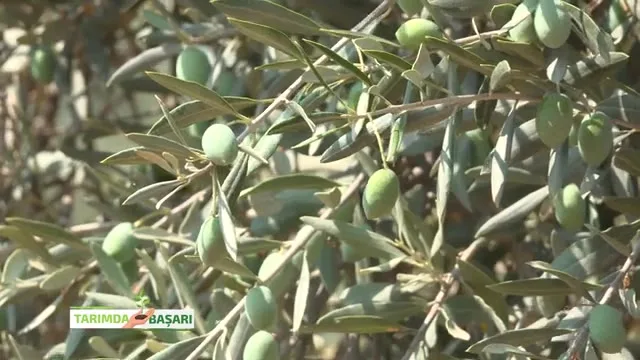
Cihan stated that one of the most critical matters in olives is the copper-based Copperas application. He conveyed that giving the recommended dose per 100 kilos of water on time and correctly effectively brings peacock spot under control, and that when used together with Fosforiko, no trace of peacock spot remains. He said that this application also feeds the tree with phosphorus, and therefore positively affects yield as well. Another benefit of the copper application is related to harvest: when a full dose is given 10-15 days before picking, the fruit is shaken off more easily, so more produce is harvested by machine and fewer fresh shoots break. The second full-dose application done the day right after harvest finishes, meanwhile, prepares the tree for the following year, helping even oil varieties such as Memecik that do not like to bear fruit every year to produce regularly.
Tillage, unconscious fertilization, and pesticide dosage
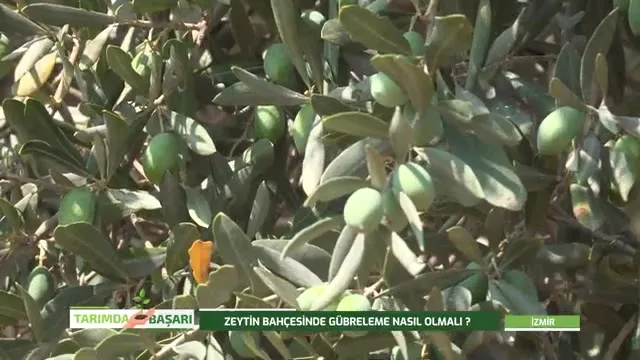
Agricultural engineer Simge Gysen emphasized that deep tillage should be avoided in olives. Deep plowing breaks the tree's feeder roots, causing the plant to spend its energy on root repair instead of shoots and fruit; it also causes diseases such as olive knot to be carried with the soil. For this reason, if necessary, only superficial, light tillage is recommended. Simge Gysen also explained that unconscious fertilization applied without soil analysis creates unnecessary input cost, and that first remediating the soil and then moving to programmed nutrition is the foundation of sustainable agriculture. Agricultural technician Recep, for his part, added that dosage in spraying must be managed consciously: arbitrarily increasing the label dose develops resistance in insects, and when the insect does not die, the correct approach is to change the active ingredient rather than increase the dose. He also drew attention to the fact that the olive fly and olive moth increased this season due to the hot-cold difference.
Correct harvest time, machine selection, and oil quality
Engineer Yusuf explained that quality olive oil begins at harvest. Neither too early nor too late; the essential thing is a fast harvest done at the appropriate period without battering the fruit and the shoot. Keeping the collected olives in sacks for 2-3 days raises the acidity considerably; an oil as valuable as 0.3-0.5 can rise to acid levels of 1.5-2 and lose value simply because it was kept. It was emphasized that the unplanned harvest calendar spread over six or seven months in Turkey is problematic, and that this can only be shortened with correct mechanization. However, machine selection is very important: excessively powerful or unsuitable shaker and hook machines drop too many leaves and shoots and damage the tree, inviting olive knot after harvest. For this reason, post-harvest copper application is once again recommended. Umut Dönmez, for his part, reminded that the same machine is sold at very different prices in the market, and that working with reliable firms that do their job properly when buying products and equipment is an inseparable part of planned agriculture.
AgroTroia products featured in the episode
- Copperas – the copper-based product used against peacock spot and olive knot, applied at full dose before and after harvest; helps the fruit shake off easily and prepares the tree for the next season.
This interview in Dereköy showed that success in olives rests not on a single application, but on homogeneous nutrition, timely copper application, correct tillage, conscious pesticide use, and correct harvest timing. Seeing the orchard live and deciding according to the tree stood out as the key to planned and sustainable production. It was noted that there are many topics to discuss in olives, and that the program will continue with olives in the next episode.
Source: AgroTroia – "Success in Agriculture" program, sponsored by AgroTroia.