
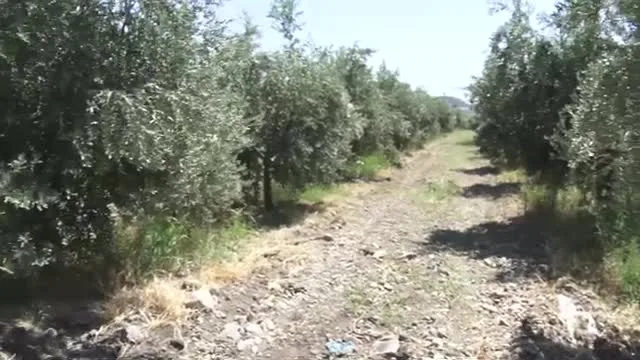
In this episode, AgroTroia's "Success in Agriculture" program addresses olive production in the Hatay Aktepe region, where the earthquake left deep marks. Together with AgroTroia dealer and agricultural engineer Sönmez Ateş, grower Mustafa Bilgin and field engineers, the results obtained with a regular olive nutrition program are evaluated in the grove of the region's leading olive grower. Throughout the conversation, both plant nutrition applications and the effects of the earthquake on agriculture are addressed.
The Importance of Olive Growing in Hatay Aktepe
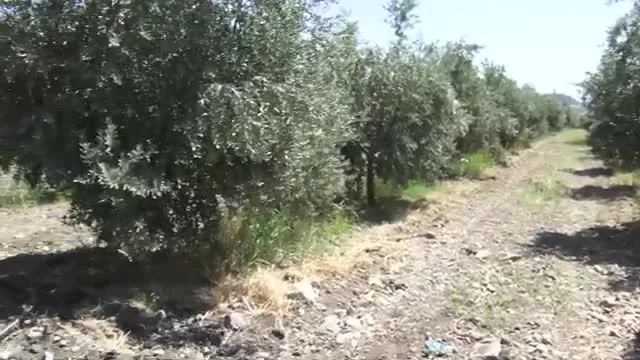
Aktepe stands out as one of the few regions in olive production across Turkey. The Gemlik variety is predominantly grown in the region; later, planting of the Spanish-origin Arbequino variety also began. Through the saplings distributed over the years by the District Governorate, the public was steered toward olive growing, and previously idle land turned into productive groves. According to grower Mustafa Bilgin, traders from the Aegean region and Marmara unions come to the region and buy olives from here, emphasizing the superiority of the quality. Bilgin started olive growing after retiring from the public sector and has reached a production level that ranks in the region.
Fighting Peacock Spot and Other Diseases
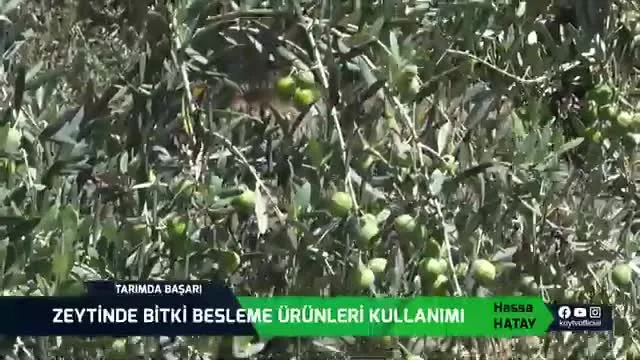
Peacock spot, one of the most common diseases of the olive, is a fungal-origin disease caused by humidity. When the air temperature rises above 18 degrees, it shows itself by forming ring-shaped spots on the leaves. The field engineer notes that the disease has a specific period and that when fought in time the problem is largely solved. It is recommended that control be repeated roughly every 20 days in valley bottoms and places with high humidity, and once a month in places with good air circulation. Proper pruning so the trees can breathe also plays an important role in preventing the disease. Branch canker and verticillium wilt are listed as other diseases to watch out for in the region; in particular, failure to disinfect pruning tools facilitates the spread of branch canker.
Pests in Olives and Application at the Right Time
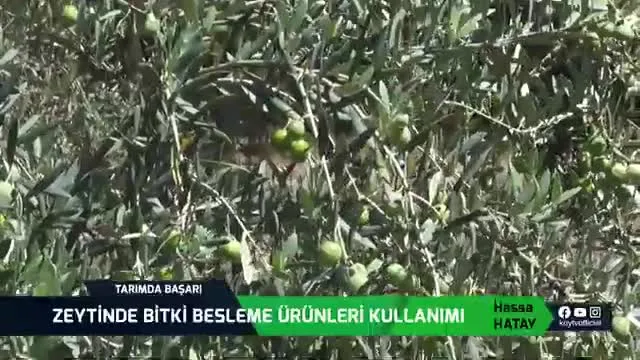
Among the main pests in olives, the olive fly leads. The fly, which becomes active when the soil temperature rises above 10 degrees, lays its eggs near the fruit, and the larva that gets inside feeds by opening a gallery in the flesh. The olive moth, on the other hand, causes damage in three physiological periods: leaf, flower and fruit. During the flowering period, when five percent of the flowers have opened, an application made together with a suitable insecticide is critically important in the fight against both the moth and the flower stalk borer. The cotton aphid, referred to as the region's arch-enemy, damages by feeding, clinging to the shoots and flowers; it must be intervened in time. The shoot caterpillar is also among the pests that damage the fresh leaves and shoots, especially in young saplings.
Yield Every Year with the Shoot Mechanism
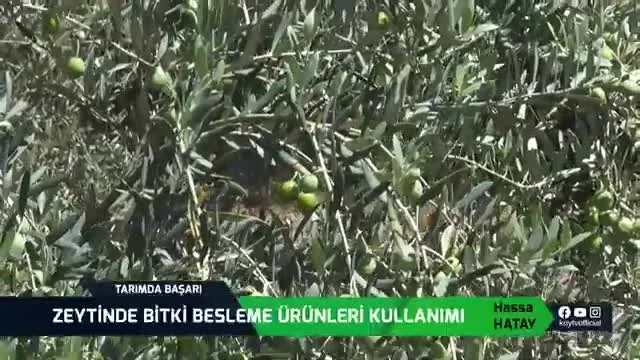
The most striking emphasis of the program is on breaking the "on-year, off-year" habit in olives. Mustafa Bilgin recounts that with knowledge handed down from their ancestors they took a crop one year and waited the next, but that they learned the olive can give increasing yield every year with a correct nutrition program. Bilgin, who has worked with AgroTroia for roughly six years, observes that the trees in his grove begin to put out shoots for the next season even while carrying a heavy fruit load. The field engineers note that by strengthening the plant's defense mechanism and activating the shoot mechanism, periodicity is prevented; that they apply a nutrition program that starts after harvest and lasts until harvest again. Bilgin has roughly 1100 olive trees and states that the yield increases every year.
Regular Follow-up, Cost Advantage and Mixability
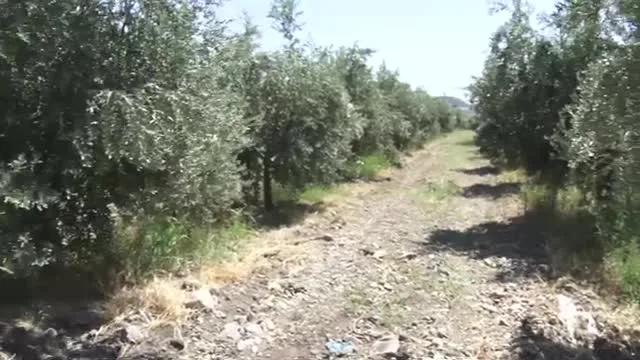
Another key to success is regular field follow-up. AgroTroia engineers check the groves every month, provide quick guidance through photographs sent via WhatsApp, and charge the grower no fee for this service. Bilgin, who keeps his accounts meticulously with his identity as a retired finance officer, plans the inputs he will use as an annual list and procures them in advance in cash. Cost also stands out in application: the products being in a mixable form allows four separate applications to be reduced to a single one; this lowers fuel and labor costs. While many copper-based products on the market are recommended to be applied alone, it is noted that the copper-based product used in the program can be mixed with other inputs with complete peace of mind.
Featured AgroTroia products in this episode
- Copperas - a copper-based nutrition product that strengthens the plant's immune mechanism to increase resistance to diseases such as peacock spot and supports the shoot mechanism.
- Activo - a nutrition product that supports the plant's development in flowering-period applications.
- New Olive 5-10-15+ME - a nutrition product specially formulated for olives that remedies nutrient element deficiencies.
The Hatay Aktepe example shows that success in olive growing is possible when control at the right time, regular nutrition and continuous field follow-up come together. Mustafa Bilgin's experience is a concrete example of how a grower who researches and follows the application regularly can take a yield every year. For growers aiming for more produce and higher yield with fewer inputs, a correct nutrition program both reduces disease and pest pressure and keeps costs under control.
Source: AgroTroia – "Success in Agriculture" program, sponsored by AgroTroia.