
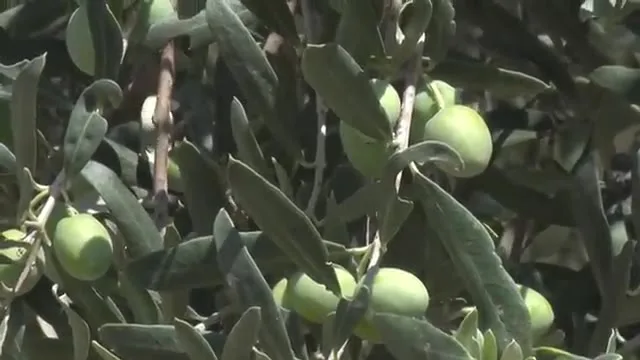
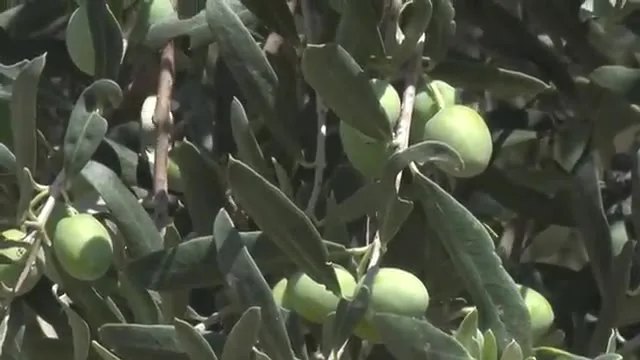
This episode of the "Success in Agriculture" program, prepared with AgroTroia sponsorship for AgroTroia, was in the Kuyucak district and Azizabat of Aydın. For olives, which have become an important source of income for the region, the olive nutrition program and field experiences were discussed. Agricultural engineer İlyas Sümbül from the regional dealer Sümbüloğlu Tarım, AgroTroia regional manager agricultural engineer Yusuf, and farmers Sami Tuna and Mehmet Tuna, who have managed their grove with a regular program for many years, conveyed the details that determine yield in olives.
The growing importance of olives in Aydın and the nutrition program
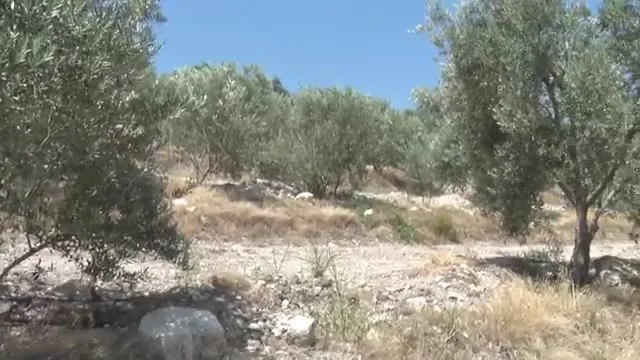
İlyas Sümbül, explaining that serious progress has been made in olive production in and around Kuyucak especially after the 2000s, said that olives—together with figs and other fruit groups—now provide much higher income than field crops. For this reason he noted that farmers treat olives like the apple of their eye. Sümbül, who has run the regional dealership for about eight years, summarized his working logic with a dietitian analogy: giving the tree whatever nutrient it needs in a given period, on time. He added that AgroTroia is also applied in the region in figs, citrus, corn, and strawberries besides olives, and that when the farmer settles into a certain program he takes a stable yield every year. The dealer also emphasized that imitation products are short-lived, and that the farmer finds the right path when he gets no yield after a season or two. Against rising input costs, he said the farmer can reduce his expenses with a table drawn up at the start of the season.
Fighting peacock spot and copper application
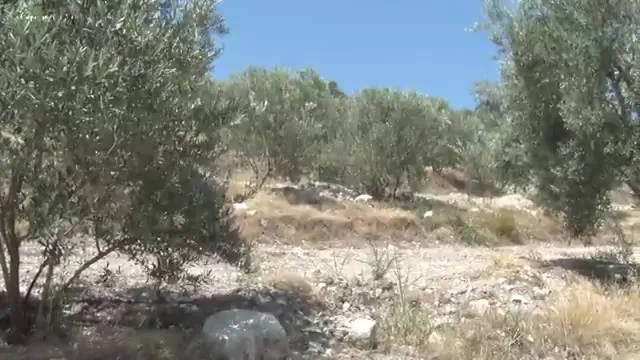
This season's most prominent problem was peacock spot—made widespread partly by the weather conditions—and the leaf drop associated with it. İlyas Sümbül related that while the surrounding groves were shedding their leaves and trying to put out new shoots, and the tree could not devote itself to fruit, in the groves where they used Copperas the damage stayed at a minimum level. Regional manager Yusuf also said that with the changing climate the disease almost never stops, so they have had to increase the number of copper applications extending from before harvest to the flowering period. He stated that according to field observations, even compared to neighboring groves using quality product or Bordeaux mixture, the best result was obtained with Copperas, a copper application, and that grove owners saw this difference with their own eyes. He underlined that peacock spot has now become not a regional but a nationwide problem.
Periodicity: breaking the on-year/off-year problem
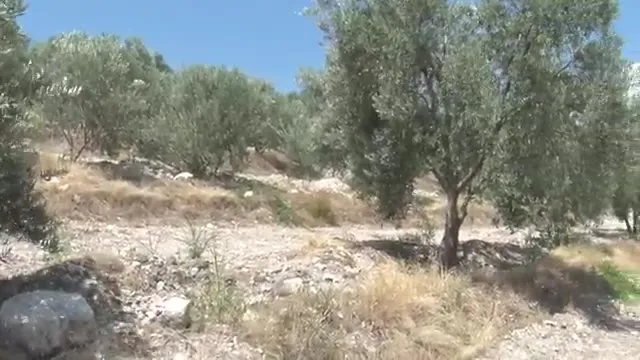
Periodicity—one of the biggest problems of Turkish olive growing, that is the on-year/off-year fluctuation—was also put on the table. Yusuf explained that technically periodicity exists but can be largely balanced with variety selection, correct irrigation, fertilization, and regular pruning. As an example he pointed to Sami Tuna's 23-decare grove of trees about 20 years old; he said that over 20 tons of crop was taken here last year, and that similar figures are targeted this season. Sami Tuna related that he has applied this program for eight to nine years, that the tonnage comes out close to each other every year, and that he does not experience on-year/off-year; he noted that he begins applications the day after the crop finishes, fully adhering to the timing. According to Yusuf, in groves where dry farming is done or fertilization is neglected, periodicity is inevitable; stability is possible only with regular care, through pilot applications like this grove.
Early drop, pests, and changing populations
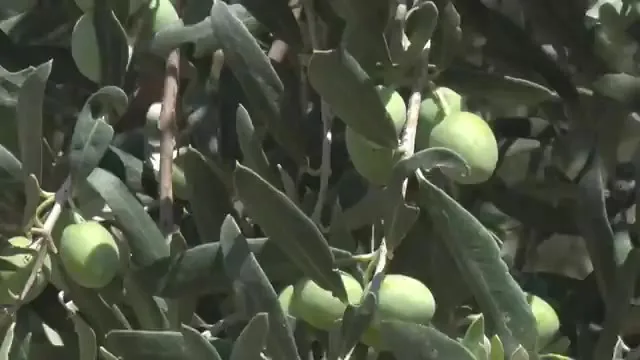
Another frequent complaint from farmers was early fruit drop. Yusuf, stating that drop has more than one cause, drew attention to the moth and stalk worm in June-July, anthracnose, and especially the olive fly damage that begins in early and coastal regions. He said that drop during the ripening period is entirely related to nutrition and can be overcome by addressing soil saturation and completing missing micro-macro elements. He emphasized that, alongside organic matter, lime, and pH balance in the soil, micro elements such as manganese, boron, and zinc are decisive for fruit darkening, so intervention from the soil is needed in addition to foliar application. Another notable point this season was the change in pest populations: the red spider (mite), normally not often seen in Gemlik-type varieties, this year caused a serious shot-berry problem, requiring control even in groves that had never had a problem before.
Pruning, harvest timing, and post-harvest care
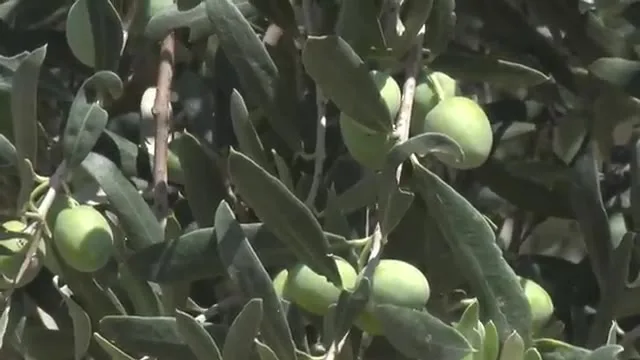
Yusuf stated that harvest never finishing is a problem for both grower and sector, and that the solution lies in regular pruning every year and correct nutrition. He explained that in trees that put out strong shoots with the program, if a little thinning is not done each year, the tree cannot keep up with enlarging and darkening the great number of berries. He said that very late harvests, and especially the harsh harvests applied in bulk sales with machinery on large lands, damage the shoots and next year's fruit buds, triggering periodicity; he recommended hand harvest in small groves. He recalled that post-harvest care actually begins months before flowering, that the tree prepares the following year along with the spring rains. He explained that in the AgroTroia program the first application is not left to after harvest, but that with the copper Copperas application in September-October the tree is both prepared for harvest and made resistant to peacock spot. After harvest, he advised doing a soil analysis in the November-December period and fertilizing accordingly. The Fors product the dealer mentioned provided a visible improvement in a short time when given by drip in other crops such as strawberries.
AgroTroia products featured in this episode
- Copperas – The copper application used against peacock spot; it gives the tree resistance before harvest and in the September-October period.
- Fors – An application given by drip in crops such as strawberries, providing development in a short time.
The Kuyucak, Aydın example shows that stable and high yield in olives is possible not with a single intervention, but by applying regular nutrition, timely control of peacock spot, pruning, correct harvest, and post-harvest care as a whole. When a conscious farmer, dealer, and field monitoring come together, the on-year/off-year fluctuation can be largely balanced.
Source: AgroTroia – "Success in Agriculture" program, sponsored by AgroTroia.