
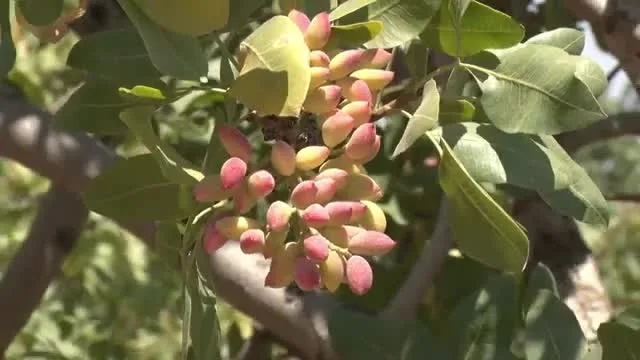
In this episode of the "Success in Agriculture" program, we are at a pistachio grove on the Barak plain in Gaziantep. At the grove of grower Mehmet Bozkurt, who has worked with AgroTroia for seven years, together with AgroTroia regional manager Agricultural Engineer Nuh Karacaoğlu, regional manager Cemal, Hüseyin Bozgeyik from the regional dealer Bozgeyik Tarım, and Umut from the company management, we addressed the pistachio market, yield problems, and the nutrition program suited to pistachios. Our aim is to enable the farmer to take more yield with fewer inputs.
The Market Riddle and Low Yield in Pistachios
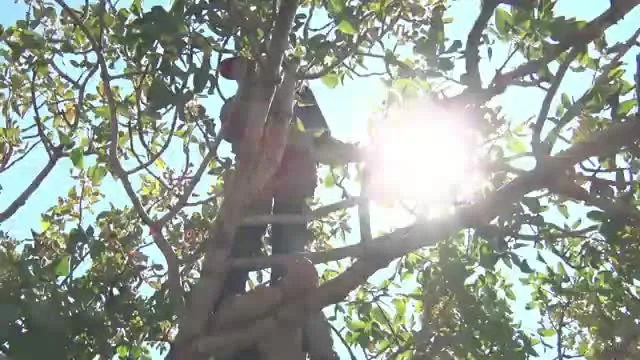
At the time of filming, pistachio prices were quite low. The question "did we produce too much" comes to mind; but according to experts the situation is just the opposite. Although the homeland of the pistachio is the Middle East, in world production America is first with about 350,000 tons, followed by Iran; China is also rapidly increasing its production. Turkey's real advantage is that even the name of the product comes from the region: Antep pistachio. Despite this, the problem is in yield. While a farmer in Turkey takes an average of 30-35 kilograms of pistachios per decare, in other countries this figure is much higher. In other words, if pistachios are not profitable, the reason is not overproduction but the low yield per decare and the surplus supply worldwide.
How Do Incorrect Nutrition and Pruning Reduce Yield?
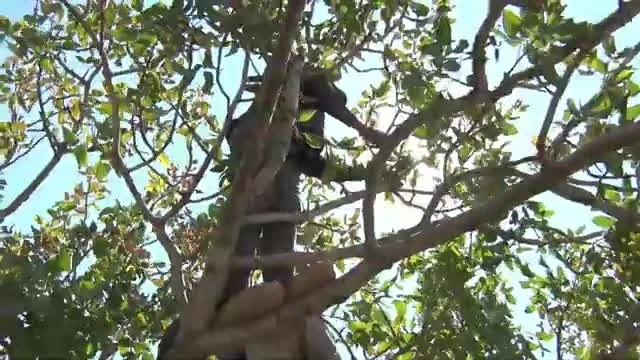
According to experts, most growers on the Barak plain think they will increase yield through soil tillage; yet the real mistake is made in nutrition and pruning. Base fertilizer is applied at the wrong time, and irrigation and pruning are done incorrectly. There is no unnecessary pruning in pistachios; only branches that crowd and stress one another are removed, after the tree has shed its leaves and entered the dormancy period. Heavy pruning done at 45-degree heat as soon as harvest ends drives the tree to gumming and delays awakening. There is a clear calendar for nutrition too: fertilizer must be given at the beginning of January. Because in winter plants the fertilizer begins to dissolve in about 60-70 days; the tree cannot make use of fertilizer applied in September since it is in the dormancy period. A nutrition program done at the right time and with the right product makes a decisive difference in yield.
Phytoplasma and Capnodis: The Banes of Pistachios
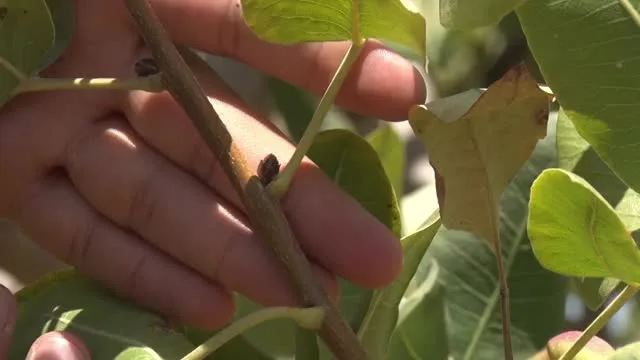
One of the most important problems of pistachios is phytoplasma disease. The trees by the roadside that turn bright red and die back are a symptom of this disease. In phytoplasma, the vascular bundles (xylem vessels) are blocked, so the tree cannot carry up what it takes from the soil and begins to die back. At this point, giving nitrogen fertilizer such as urea or ammonium sulphate accelerates the disease; the solution lies in correctly feeding the plant and opening the vascular bundles. Another major threat is the capnodis (root borer) pest. Its larva enters from the root region and can dry out a huge tree; getting too close to the trunk while tilling damages the roots and eases the pest's entry. In addition, pests such as the bud beetle, sunn pest, red spider, and pistachio psylla must also be controlled by on-site detection.
The Nutrition Program from Harvest to Flowering

The experts listed the steps to be applied throughout the year. After harvest, Copperas and a coating product containing boron and zinc are applied; this yellows and sheds the leaves, prepares the tree for winter, and supports homogeneous flowering. About a month later, one-percent Copperas is given as the winter application. In the transition to spring, Copperas and phosphoric acid are applied together to awaken the tree homogeneously. After bud beetle control, the application is repeated when the fruit reaches chickpea size. At the five-percent flowering period, an activator (Ocean Mix type gibberellic acid) and the flower-set agent Florista are used; alongside these, Kombi and Aminado are applied. In the sunscald and internal-fill period, Vital, which contains nitrogen, phosphorus, potassium, and trace elements, is preferred. For calcareous, high-pH soils, instead of 18-46 or MAP-DAP, sulphur-based fertilizers such as 41-5 or green-gold type are recommended; their timing is also the beginning of January.
The Commission Chain and the Grower's Labor
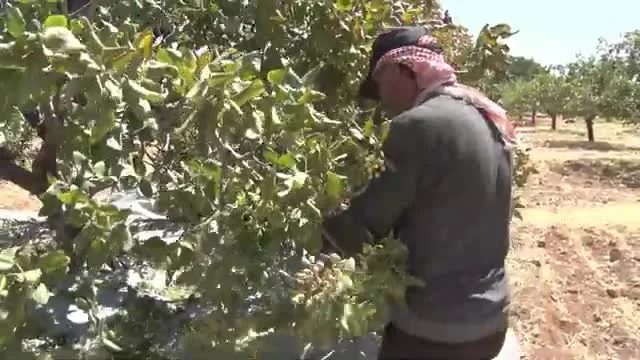
Grove owner Mehmet Bozkurt's wife Kudret Bozkurt and son Mert Ali Bozkurt related that after they began working with AgroTroia their yields increased many times over, and the trees greened and were freed of disease. Whereas seven years ago a few tractor-loads of crop were taken per decare, this figure has risen seriously. However, the grower complains of not finding the reward for his labor in the price: pistachios bought at low prices in the field pass through the hands of several middlemen and reach the consumer at very high prices. The grower working in 50-degree heat cannot earn while the intermediaries in between do—this was the biggest grievance voiced in the program. Among the proposed solutions, cooperative organization and making room in the market with value-added products such as pistachio butter stood out.
AgroTroia products featured in this episode
- Copperas – leaf drop and homogeneous flowering with the post-harvest and winter application
- Kombi – nutritional support during the flowering period
- Aminado – amino acid supplement during the flowering period
In pistachios, the real issue is not overproduction; it is raising the yield per decare through well-timed nutrition, conscious pruning, and disease-pest management. The Bozkurt family's seven-year experience shows that a correct nutrition program can transform both the tree and the grove. What remains is for the grower to find the reward for his sweat in the market.
Source: AgroTroia – "Success in Agriculture" program, sponsored by AgroTroia.