
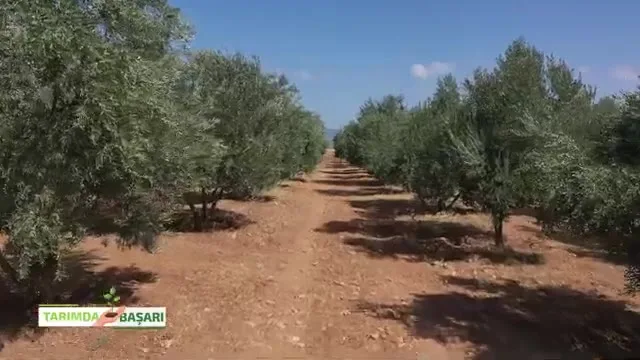
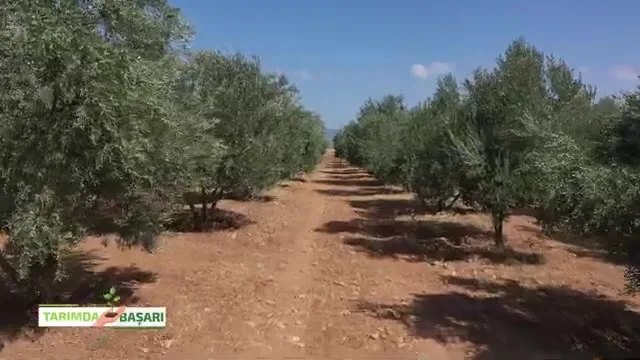
In this episode, AgroTroia's "Success in Agriculture" program visited the village of Yelten in the Korkuteli district of Antalya. In the grove of farmer Hasan Uçar, who grows olives in the area, high-altitude olive production, frost and drought conditions, and a correct olive nutrition program were discussed together with the regional dealer, owner of Yeniköy Tarım Market (Döşemealtı), agricultural engineer Mustafa Kemal Özen, and the AgroTroia team. Obtaining yield not at sea level but at 1020 meters altitude, in a place where it is said "olives won't grow," was the main topic of this conversation.
Olives at 1020 Meters Altitude: Yield Where It Is Said "It Won't Grow"
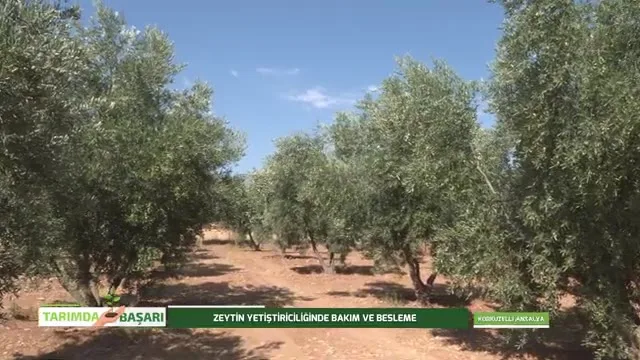
Yelten is an arid, high-altitude region. According to Hasan Uçar, about 60 percent of the soil is clay and lime in structure; water-loving fruits such as apple and pear could not take hold here. Despite this, obtaining 2.5 tons of olives in one season from a 160-tree grove shows that the olive is a serious alternative in the region. According to the producer, the region's most realistic option against drought is the olive: a plant that provides relatively high unit yield with little water and adapts to arid conditions. For this reason, new plantings have gained momentum in the area; the producer reported that he established another 20 decares of new olive area this season. Hasan Uçar explained that correct plant nutrition applications and regular monitoring were decisive in this result, that he has used AgroTroia products for about six years, and that he noticed a visible revival in a short time. Expanding the area with saplings he produced by his own means reveals how suited the region is to olives.
Frost and Cold: Why Did the Grove Withstand -18 Degrees?
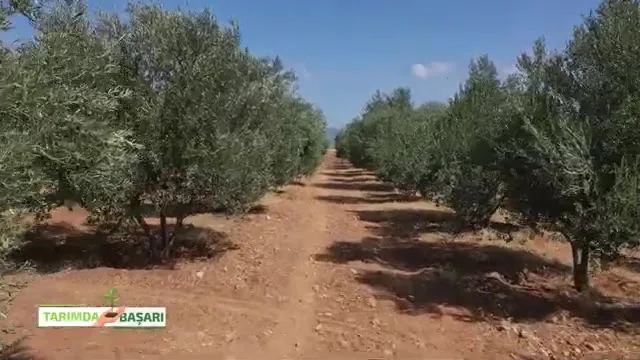
The region's most critical issue is winter cold and frost. According to agricultural engineer Mr. Nuh, the common belief is that "olives won't grow above 600 meters altitude, in places where it snows"; yet the experience gained from this grove shows that, with correct cultural measures, olive growing is also possible in high and snowy regions. The plant entering winter resistant and in good condition was decisive in the grove getting through -18 degrees without problems. It was explained that in cold regions, the application of Copperas increases the plant's condition and turgor pressure, delaying the freezing of the sap, thus providing a kind of insulation against cold stress. Nevertheless, it should not be forgotten that at extremely low temperatures (-20, -22 degrees), distortion, heavy leaf drop, drying of the fruit buds, cracking of the trunk, and partial frosts can be seen in the plant.
Correct Variety Selection Varies by Region
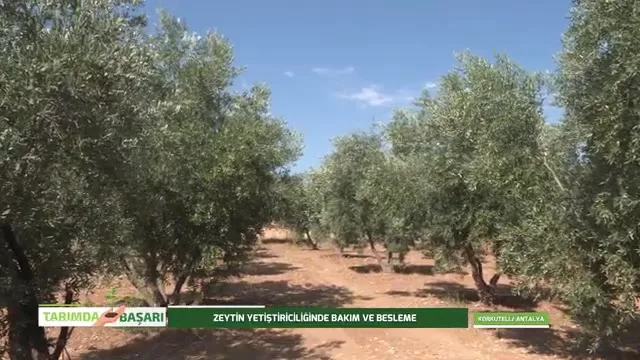
Mr. Nuh emphasized that success largely begins with selecting a variety suited to the region. He stated that because the Ayvalık variety has an annual chilling requirement of about 1020 hours, it produces nice fruit in this high-altitude grove; in contrast, when the same variety is planted carelessly at sea level in the Mediterranean, it can cause problems. Among the varieties that adapt to the region, in addition to Gemlik, the local varieties Memecik, Savur, Halhalı, and the more chilling-demanding Hatay (yere) olive were mentioned. The direction also changes according to the table/oil preference: Gemlik is suited to a firmer, table structure, Trilye to oil, and Domat to large-caliber table evaluation. In other words, variety selection depends both on altitude and on whether the producer targets table or oil olives.
Pruning Time: The Spring Choice in Cold Regions
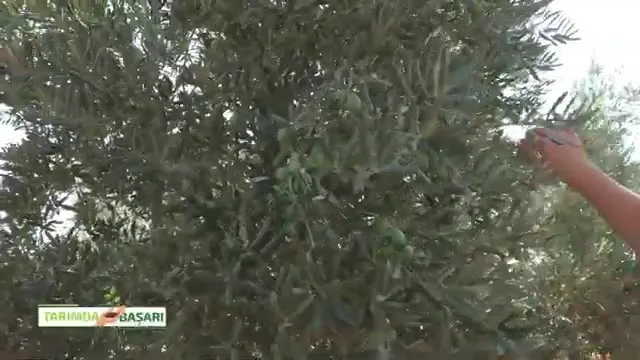
In gulf and seaside olive growing, the common habit is to start pruning right after harvest. However, Mr. Nuh recommended that, considering the seasonal fluctuations and climate change of recent years, pruning in such snowy regions should be done not at the end of harvest but in the spring period. The logic is simple: the stronger and more resistant the plant enters winter, the less damage it sustains from cold events. Heavy pruning after harvest can leave the plant weak against cold. Correct timing, combined with the cultural measures taken, helps prevent frost and climate pressure.
Water Shortage and the Future of the Region
Another major problem of the region is water. The producer explained that the water sources that once existed have receded, and that he manages the trees by carrying water by tanker over many kilometers. Neighboring farmer Hüseyin Kule has also planted 600 olives with the same approach and irrigates his grove by tanker; the goal is to turn Yelten into an olive region and, in the future, to build a press facility and create a brand with a cooperative. The olive, as a plant content with little water and resistant to aridity, stands at the center of this vision. The producers emphasized that continuing production is a value that is both economic and that keeps people in the village. It was stated in the program that as long as production continues, people will continue to stay in the village, and as income is generated, the younger generation will also take ownership of this work. The greatest expectation for the producers in the region is for the way to be opened on water and support; because the fact that yield can be obtained even in arid conditions with the right species and the right care has already been proven in this grove. The field team and dealer continuously providing technical support to the producer also stands out as an important part of this sustainability.
Featured AgroTroia products in this episode
- Copperas — A copper-sourced application that helps increase resistance against frost stress by supporting the plant's condition and turgor pressure in cold regions.
The Yelten, Korkuteli example shows that correct variety selection, spring pruning, and a balanced nutrition program make olive growing possible even at high altitude. Although constraints such as water and frost are real, it is concretely seen in this grove that arid regions too can be transformed into productive olive areas with conscious production and field support.
Source: AgroTroia – "Success in Agriculture" program, sponsored by AgroTroia.